

Key takeaways
- For camping, a percolator is the most forgiving choice for groups and fire cooking, a French press gives the fullest body with the least technique.
For camping, a percolator is the most forgiving choice for groups and fire cooking, a French press gives the fullest body with the least technique, and a pour-over cone is the lightest and cleanest option for solo trips and backpacking. Which one wins depends on how many people you are brewing for, how you cook, and how much weight and cleanup you will tolerate.
This comparison is for campers deciding what to pack for a car-camping weekend, a family trip, or a lightweight trek. We look at the three brewers side by side on heat source, durability, cup character, cleanup, and packing, then match each to a type of camper so you can choose with confidence heading into the 2026 camping season.
How Each Brewer Works
Percolator
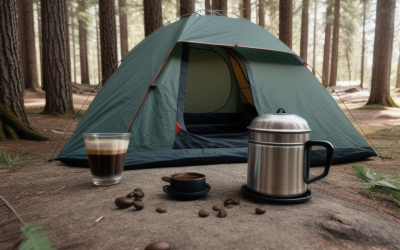
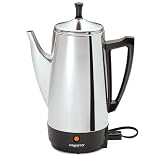
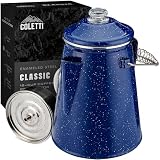
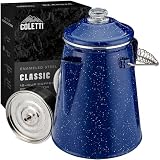
A stovetop or campfire percolator cycles hot water up a central tube and over a basket of coffee grounds again and again until the brew reaches the strength you want. Because the pot sits directly on heat, it works with stoves and grates, and its tall shape holds enough coffee for several mugs.
French press
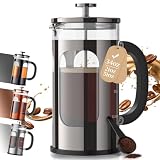
A French press steeps coarse grounds in hot water, then a mesh plunger pushes the grounds to the bottom. You heat water separately, pour it in, wait about four minutes, and press. It produces a rich, full-bodied cup with a bit of sediment.
Pour-over cone
A pour-over cone sits on a mug or carafe and holds a paper or reusable filter. You pour hot water in slow circles over medium grounds, and the coffee drips through. It is the lightest of the three and gives the cleanest, brightest cup.
Side-by-Side Comparison
| Factor | Percolator | French press | Pour-over cone |
|---|---|---|---|
| Heat source | Directly on stove or fire grate | Needs separate hot water | Needs separate hot water |
| Best group size | Groups and families | One to four people | One or two people |
| Cup character | Strong, bold, can turn bitter if overdone | Full body, some sediment | Clean, bright, lighter body |
| Grind size | Coarse | Coarse | Medium |
| Learning curve | Moderate, timing matters | Low | Moderate, pouring technique helps |
| Weight and bulk | Heavier, bulky | Medium, glass can break | Lightest, compact |
| Cleanup | Disassemble basket and tube | Spent grounds to dispose of | Easiest, pack out filter |
| Durability | Very durable in metal | Depends on glass or steel body | Durable in metal or silicone |
Percolator: Camp Classic for Groups
Strengths
Percolators handle heat well and do not need a separate kettle, which simplifies fire cooking. Metal models are rugged and survive drops, rain, and rough handling. They keep coffee hot for a while and let you brew many cups at once, which suits family sites.
Drawbacks
Percolating continuously can over-extract coffee, making it bitter if you leave it going too long. Cleanup involves several small parts, and the pot is bulky to pack. It is also less forgiving of fine grinds, which can slip through the basket.
Tips for better results
Use coarse grounds, keep the heat moderate so the water bubbles gently, and watch the glass knob or listen for the rhythm. Remove the pot from heat after a few minutes and take out the basket to stop extraction.
French Press: Simple and Rich
Strengths
A French press is easy to use and requires little technique. Steeping extracts a full-bodied flavor, and you control strength by adjusting the amount of coffee and time. Insulated stainless versions hold heat well, and many double as travel mugs.
Drawbacks
Glass models can crack on rough terrain, so choose a steel or protective-sleeve version for camping. You also need a way to heat water separately and a plan for the wet grounds, since they must be packed out or disposed of responsibly. The mesh passes fine particles, so the last sip may be gritty.
Tips for better results
Use coarse grounds and water just off the boil. Steep for about four minutes, press slowly, and pour all the coffee out right away so it does not keep extracting in the pot.
Pour-Over Cone: Light and Clean
Strengths
A cone brewer is compact, light, and quick to set up. Paper filters produce a clean cup and make cleanup simple, since you can pack out the filter and grounds in a small bag. It is the best match for backpackers, who count every ounce.
Drawbacks
You need a kettle or small pot with a pourable spout, and a steady hand makes the results better. Brewing for a group takes longer because each cup is made individually. Paper filters add a consumable to pack and bring home.
Tips for better results
Pre-wet the filter, pour slowly in circles, and keep the grounds bed even. Choose a cone with a sturdy base that fits your mug, and carry a flat mat or tray to avoid tipping.
Choosing by Type of Camper
Car campers with a family or group
A percolator or a large insulated French press is the practical pick. Both make several servings at once, and the extra weight is less of a concern when you are driving to the site.
Backpackers and ultralight hikers
The pour-over cone wins on weight and packability. A small silicone or plastic cone plus a few filters weighs very little, and cleanup is quick.
Coffee lovers who want body and richness
Go with a French press. It makes the heavier, rounder cup that many people prefer at camp, especially in cold mornings.
Weather, Altitude, and Heat Source
Conditions change how each brewer behaves. Wind can steal heat from a pour-over kettle and make the pour uneven, so a simple windscreen or a sheltered spot helps. In cold weather, a French press loses heat quickly, and an insulated body keeps the brew warm during steeping. A percolator on a fire grate copes with wind better than either, since the flame heats it directly.
Altitude lowers the boiling point of water, so brews at high camps are made with slightly cooler water. This is usually fine for steeping and drip methods, though a percolator may need a little more time to reach the flavor you want. If you use a fire, wait for coals rather than flames, which give steadier heat and less soot on the pot.
Think about the whole kit
A percolator needs only itself, while the other two need a separate pot or kettle. If you are already carrying a pot for cooking, the French press and pour-over cone add little extra weight. If you are not, the percolator can be the lighter total package for a group.
Before You Pack: Checklist
- Count how many cups you need each morning and match the brewer size to that number.
- Confirm that your heat source suits the brewer, since percolators sit directly on the flame or stove.
- Choose durable materials like steel or silicone for rough conditions.
- Pre-grind coffee at the right coarseness for your chosen method.
- Bring filters or a spare mesh strainer if you use a pour-over.
- Pack a bag to carry out spent grounds and used filters.
- Follow local fire restrictions and stove safety guidance, and never use a stove inside a tent.
A Simple Rule of Thumb
If you are counting grams, take the cone. If you are counting mugs, take the percolator. If you are counting flavor and want the least fuss, take the press. Many campers keep one of each in the garage and pick based on the trip, which is a sensible way to learn what you prefer before settling on a single favorite.
Related guides
- How To Shop Black Friday Coffee Deals Without Overpaying
- How To Make Coffee While Camping Without A Coffee Maker
- Bottomless Portafilters For Commercial Machines
Frequently Asked Questions
Which camping coffee method makes the best-tasting coffee?
It depends on taste. Pour-over gives the cleanest, brightest cup, French press gives the fullest body, and percolators give a strong, classic camp flavor. Many campers choose based on convenience and weight rather than flavor alone.
Can I use a percolator on a camping stove?
Most metal percolators are designed for stovetop or fire use, but always check the manufacturer guidance for your model and make sure your stove can support the weight and size safely.
Is a glass French press safe for camping?
It can work if protected carefully, but glass can break on rough terrain. A stainless steel or double-wall model is a safer choice for camp use.
How do I dispose of coffee grounds while camping?
Pack them out in a sealed bag unless local rules allow another method. Do not dump them in water sources or leave them where animals can reach them.
More from Amazon
Programs that pair well with the guide above. Offers and eligibility are set by Amazon and may change.
Set up recurring deliveries of everyday items on eligible products. Terms and savings are set by Amazon.
Explore Subscribe & SaveCollect the home and kitchen items you want in one registry that guests can shop from.
Create a wedding registryFree shipping on eligible items, Prime Video and more. Eligible new members can start with a free trial.
Start a Prime free trialAudiobooks and podcasts to listen to on the go. Eligible new members can start with a free trial.
Try Audible freeAs an Amazon Associate we earn from qualifying purchases.
Write Your Review
No reviews yet. Be the first to share your experience!