

Key takeaways
- Flair 58 review: manual lever espresso with a 58mm portafilter, gauge and preheat. Specs, pros, cons and alternatives to weigh before buying.
The Flair 58 is a manual lever espresso maker built around a commercial-size 58mm portafilter, an all-stainless brew path and an integrated pressure gauge, with no pump and no boiler doing the work for you. You heat water separately, load a dose of 16 to 20 g, and press the lever to push espresso through the puck. It is aimed at hobbyists who want café-style espresso without a large machine and who enjoy the ritual, not at anyone after a push-button morning. If you want speed and convenience, a semi-automatic or bean-to-cup model is the safer purchase.
Quick Verdict
- Best for coffee enthusiasts who like manual control and want to tune pressure and flow with their own hands.
- A 58mm portafilter means standard baskets, tampers and accessories fit, which keeps upgrades easy.
- You need a good grinder and a kettle; the preheat feature warms the brew head but does not boil water.
- Expect a learning curve: pressure, grind and tamp all interact, and the first week involves a lot of adjusting.
- Cheaper lever machines and the Gaggia semi-automatic are real alternatives if the full Flair 58 setup is more than you need.
Key Specs
| Spec | Flair 58 line (manufacturer page, Plus 2 model) |
|---|---|
| Type | Manual lever espresso maker |
| Portafilter | 58mm, industry standard |
| Dose | 16 to 20 g |
| Yield | Up to 55 ml |
| Water capacity | 90 ml |
| Pressure gauge | Included |
| Brew path | All stainless steel |
| Preheat | Three settings: 85, 90 and 95 degrees C |
| Baskets | Three walnut portafilter baskets, including a pressurized one |
| Weight | About 12 lb |
| Warranty | 5-year limited on stand and metal brew head parts |
The line has changed over time, with earlier versions and the electric-assisted 58x sitting alongside the Plus 2. Figures above come from the current Flair page, while older listings may differ. Confirm the exact version before buying.
Who It Is For (and Who Should Skip It)
Good fit
The Flair 58 suits people who want to learn how espresso works. Because you control the pressure with your arm, you feel the difference between a coarse and fine grind, and the gauge shows what happened. Small-kitchen owners also like that there is no electric pump to buy space for. The 58mm format means you can add a bottomless portafilter, a puck screen or a scale-and-timer routine as your skills grow.
Not a fit
If your mornings are rushed, the setup and cleanup add up. You heat water, preheat the brew head, grind, tamp, press and wipe down, which takes several minutes per shot. Milk drinks require separate steaming, and the Flair 58 has no steam wand. People who want a single button, or who make several drinks in a row for guests, will be happier with an automatic machine.
A hobby that scales with you
Many espresso machines lock you into whatever the factory chose. A lever with a standard 58mm group, by contrast, lets you change one variable at a time. You can try a different basket, add a puck screen, switch to a bottomless portafilter to see channeling, or work on tamping consistency, and the machine keeps up with every step. That makes it a useful teaching tool as much as an espresso maker, and it explains why enthusiasts who start on a Flair tend to stay with lever brewing.
What It Does Well
Full control of pressure
Flair says experienced users brew between roughly 6 and 10 bar, guided by the gauge. You can slowly ramp pressure up, hold it, then ease off, which gives more freedom than a machine with a fixed pump. For hobbyists curious about how pressure profiles shape taste, that is the main draw.
Standard 58mm hardware
A 58mm group is the most common size in commercial and prosumer machines. That keeps the market for baskets, tampers and screens wide, and it allows larger doses than smaller portafilters. The Flair 58 includes three walnut baskets covering high-dose, low-dose and pressurized use.
Preheat that tackles the main weakness
Lever machines lose temperature quickly because the brew head is cold. The integrated preheat controller on the current model has three settings, 85, 90 and 95 degrees C, which map roughly to dark, medium and light roasts. It warms the head, but you still pour in hot water from a kettle, so it does not replace a boiler.
Clean brew path
The manufacturer describes an all-stainless steel path with no plastics touching espresso from kettle to cup. For people who worry about plastic contact with hot water, that is a practical advantage over some budget lever designs.
Portability and no power drain during brewing
Aside from the preheat accessory, brewing needs no electricity. That makes it handy for kitchens with limited outlets, though it is not a camping machine at around 12 lb.
A typical shot, step by step
The routine starts with hot water and a warm brew head. Heat the kettle, switch on the preheat controller at the setting for your roast, and grind 16 to 20 g into the basket. Tamp level, lock the portafilter in, pour in hot water to the fill line, lower the lever and press smoothly while watching the gauge. A common technique is to ease pressure up during the first seconds, hold steady, and then back off near the end. Knock out the puck, rinse the parts and let the head cool. Expect around five to ten minutes from cold the first few times.
Choosing a grind and dose
Fine-tuning begins with the dose. Flair’s page lists 16 to 20 g and a yield up to 55 ml. Start with 18 g, aim for a modest liquid output, and adjust the grind finer if the lever presses too easily and the shot runs fast, or coarser if you have to lean hard and the flow barely starts. Keep notes on grind setting, dose, kettle temperature and timing so each shot teaches you something.
Where It Falls Short
You need good support gear
A grinder that makes fine, uniform espresso grounds is mandatory. Dose of 16 to 20 g and a fine grind put demands on the grinder, and an entry-level blade or coarse burr model will not work. Budget for a capable grinder, a scale and a kettle.
Learning curve and workflow
It takes several shots to understand how grind, tamp and pressure interact. Beginners often report sour or bitter results at first. The machine does not guide you; the gauge only shows pressure.
Temperature management is manual
Even with preheat, there is no temperature readout on the brew path that the manufacturer lists. Kettle temperature, brew head warmth and how long you wait all shift the result. Reviewers have asked for a temperature gauge for exactly this reason.
Cleaning and setup time
Each shot involves hot parts, loose baskets and a puck to knock out. A second shot right after the first needs more heating and more care.
No milk system
Latte and cappuccino fans need a separate frother or steam-wand machine, which adds cost and counter space.
Safety and care
Hot water and metal parts demand attention. Handle the brew head with a cloth or the grip provided, keep fingers clear of the lever pivot, and let parts cool before cleaning. The preheat unit is an electrical accessory, so keep it dry and follow the manual. Rinse baskets and the screen after each session, and descale if your water is hard. Because the brew path is stainless steel, it tolerates regular cleaning well.
Who gets the most from it
The Flair 58 rewards people who like gear, notes and small improvements. Once you own the lever, the next upgrades are modest and meaningful: a puck screen, a good basket, a scale with a timer, better beans. If that sounds like fun, the machine becomes a long-term hobby tool. If it sounds like homework, the Gaggia or the all-in-one machine in the alternatives will serve you better.
How It Compares
| Model | Type | Portafilter | Control | Best for |
|---|---|---|---|---|
| Flair 58 | Manual lever | 58mm | Pressure by hand, gauge | Hobbyists wanting prosumer hardware |
| Flair 49 Pro | Manual lever | 49mm handled | Pressure by hand, gauge | Step up from entry lever |
| Flair Classic | Manual lever | Two portafilters included, smaller size | Pressure by hand, gauge | Single-user households |
| Flair 2GO | Portable lever | Screw-in, confirm on listing | 9 bar target | Travel |
| Gaggia Classic Pro E24 | Semi-automatic | 58mm | Pump and switch | Steam and espresso in one machine |
| EUHOMY with grinder | Semi-automatic | 58mm per listing | PID and steam wand per listing | All-in-one convenience |
Alternatives Worth Considering
The listings below are neighbors of the Flair 58: other Flair models, a classic semi-automatic and one accessory built to fit the 58mm group.
Flair 49 Pro – when you want a handled portafilter without the full 58 setup
As an Amazon Associate we earn from qualifying purchases at no extra cost to you.

The Flair 49 Pro is described as an all-manual 49mm lever machine with a handled portafilter, a pressure gauge and no plastics in the brew path. It sits just below the 58 series, with no electronics to fail. It is a sensible pick if you like the Flair concept but want a smaller, simpler design. Check the listing for what is included in the box.
Flair Classic – the entry point to the family
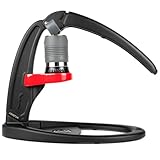
The Classic is an all-manual lever machine with a pressure gauge and two portafilters included. It lacks the handled portafilter of the Pro, so it requires more disassembly between shots. That makes it a better match for single-user households than for batches of drinks. If you are curious whether lever espresso suits you, this is the lower-commitment route.
Gaggia Classic Pro E24 – for steam and fewer steps
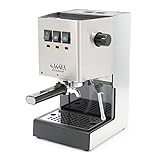
The Gaggia is a semi-automatic with a 58mm portafilter, a pump and a steam wand. Retailers describe a 3-way solenoid valve, which helps keep pucks drier, and newer units are said to ship with the pressure valve set near 9 bar. It does not have PID temperature control. Choose it if you want milk drinks and quicker workflow with the same portafilter size.
EUHOMY espresso machine with grinder – all-in-one convenience

This listing describes a 20 bar machine with a built-in grinder, 58mm portafilter, PID temperature control, a steam wand and a removable water tank. It trades the craft of a lever for convenience, with grinding and frothing in a single appliance. Specifications like pressure ratings on listings are usually pump maximums, not brewing pressure, so read details carefully.
Flair 2GO – the portable lever option

The 2GO is a collapsible lever machine designed to deliver 9 bar espresso away from home, and this listing is the grounds model. It uses screw-in portafilters rather than a handled one, and it trades capacity for portability. It is a good fit for travel, an office or a small apartment, but not a replacement for a full-size setup.
Normcore 58mm E61 naked portafilter – an accessory for the 58mm group

This is a bottomless 58mm portafilter with an 18 g basket, listed as compatible with Lelit, ECM, Rocket, E61 group heads and the Flair 58. A naked portafilter exposes the extraction, so channeling shows up visibly and helps with technique. Confirm fit with your specific Flair version before purchasing. It is an add-on, not a machine.
Questions
Does the Flair 58 need electricity?
The brewing itself is manual. The preheat controller on the current model is electric, and you still heat water with a kettle.
What grinder should I pair with it?
Choose one made for espresso with fine, stepless or fine-stepped adjustment. A basic drip grinder will not give the fineness needed.
Can it make milk drinks?
No steam wand is included. You will need a separate milk frother or steaming device.
How much coffee does it use per shot?
Flair lists a dose of 16 to 20 g and a yield up to 55 ml. Alternate baskets in other kits suggest ranges outside that, so check which basket you use.
Is the pressure gauge reliable?
It is a useful guide, not a laboratory instrument. Some reviewers caution about its placement, so use it to repeat results rather than as absolute truth.
Which Flair should a beginner pick?
The Classic is the lowest-commitment option, while the 49 Pro adds a handled portafilter. The 58 suits those who already know they want the larger group.
Update History
- October 21, 2026 – Initial publication; specifications checked against manufacturer documentation where available.
- Check the product page for current specifications and availability before buying.
Sources
- Manufacturer product and specification pages from Flair for the 58 Plus 2 and related models
- Retailer listing titles and specification fields for each listed product
- Published editorial reviews and buying guides, used for context on Flair model differences and the Gaggia

Write Your Review
No reviews yet. Be the first to share your experience!