

Key takeaways
- Compare the best single origin espresso beans by origin, roast level and freshness, with five verified picks from Ethiopia, Colombia, Sumatra and Peru.
Quick answer: Start with the Fresh Roasted Coffee 100 percent Colombian in the 2 lb bag if you want the most forgiving single origin for everyday shots and milk drinks. Choose the Volcanica Coffee Ethiopian Yirgacheffe for bright, floral straight espresso, the illy Arabica Selections Ethiopia for a delicate light roast in a small pressurized can, the Fresh Roasted Coffee Organic Sumatra for a heavy, earthy low-acid shot, and the Mt. Comfort Coffee Organic Peru for a large certified-organic bag with a nutty, chocolate-led cup.
As an Amazon Associate, we earn from qualifying purchases.
Table of Contents
- What Single Origin Changes in the Cup
- How We Chose These Five Beans
- Quick Comparison
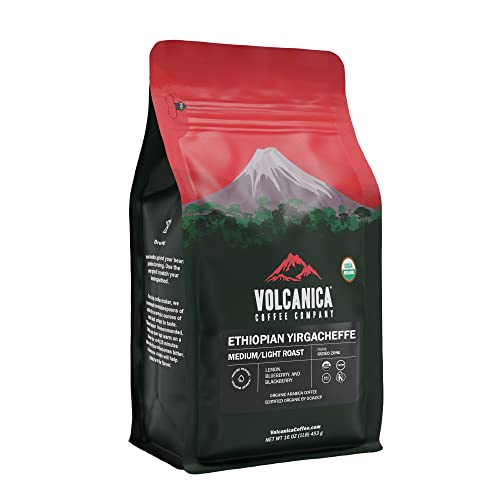
- 1. Volcanica Coffee Ethiopian Yirgacheffe (16 oz)
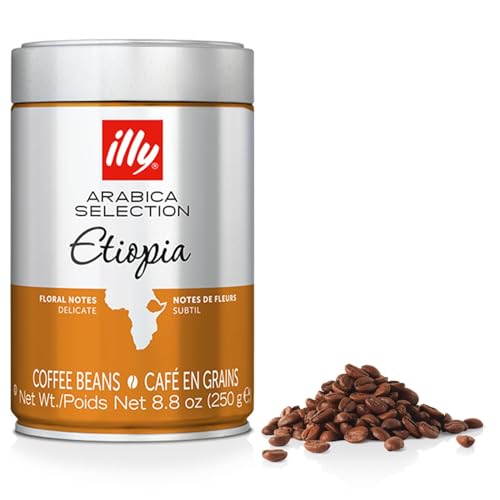
- 2. illy Arabica Selections Ethiopia (8.8 oz)
- 3. Fresh Roasted Coffee 100 percent Colombian (2 lb)
- 4. Fresh Roasted Coffee Organic Sumatra (12 oz)
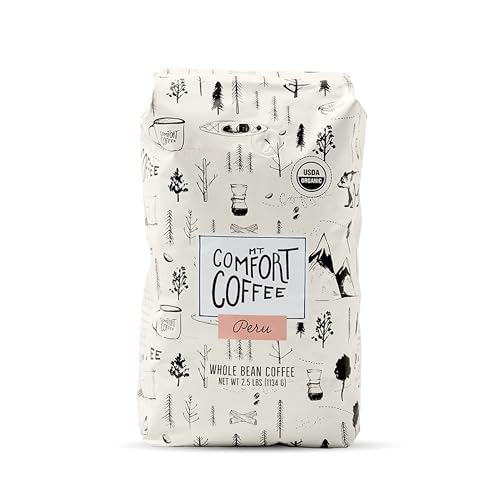
- 5. Mt. Comfort Coffee Organic Peru (2.5 lb)
- Dialing In a New Origin
- Safety, Identity and Care Checks
- Frequently Asked Questions
- Conclusion
- Product and ASIN Reference
Most espresso at home is pulled from blends, and blends exist for a reason: a roaster combines origins to keep the cup balanced and consistent from bag to bag. A single origin bag makes the opposite trade. Every bean in it comes from one country, and usually from one region or one group of farms inside that country, so the character of that place arrives in the cup undiluted. Brewed as espresso, where the extraction is concentrated and unforgiving, that character gets louder. A washed Ethiopian coffee tastes unmistakably floral and citrus-bright as a shot. A Sumatran coffee tastes earthy and heavy. Neither is hiding behind a blend partner.
That clarity is exactly why single origin espresso rewards a home barista who likes to experiment, and why it frustrates anyone who just wants the same latte every morning without touching the grinder. Harvests change, lots change, and a single origin coffee that was sweet in spring can lean sharper when the next crop lands. The five picks in this guide were chosen to make that learning curve manageable: each one is a genuine single origin, sold as whole bean, roasted in a range that a home espresso machine can actually extract, and available in a bag size that suits how fast a household realistically works through coffee.
What Single Origin Changes in the Cup
Origin character comes first. Espresso amplifies whatever a coffee already is. Ethiopian coffees from Yirgacheffe are famous for jasmine-like aromatics, citrus and stone fruit notes, and a tea-like body. Colombian coffees tend toward chocolate, caramel sweetness and a round, balanced acidity. Sumatran coffees, processed with the wet-hulled method common on the island, run earthy, spicy and heavy-bodied with low perceived acidity. Peruvian coffees sit in a comfortable middle: nutty, chocolate-led, gently citrus, rarely extreme in any direction. Knowing the origin tells you more about the shot than any other line on the bag.
Roast level decides how hard the coffee is to extract. Very light roasts can taste grassy or sour in espresso when the machine cannot hold a high, stable brew temperature, and they demand a fine, even grind. Medium roasts are the forgiving middle for home machines: developed enough to extract fully, light enough to keep the origin character. Dark roasts extract easily but taste mostly of the roast itself, which defeats the purpose of buying a named origin. Four of the five picks here sit at medium; the illy Ethiopia is the deliberate exception, a true light roast for drinkers set up to handle one.
Freshness is a spec, not a slogan. Espresso needs beans that have rested long enough to release the gas built up during roasting, because very fresh beans foam and channel in the portafilter, but it also needs beans that are not months old, because aromatics fade fast once a bag is opened. Roasters who print a roast date on the bag make this easy to manage. Roasters who print only a best-by date ask you to estimate. Either way, buy a size you will finish within a few weeks of opening, and treat the one-way valve on the bag as a freshness feature worth having.
Whole bean is non-negotiable for espresso. Pre-ground coffee cannot be adjusted, and espresso lives or dies on grind adjustment. Every pick in this guide is sold as whole bean. If a listing offers a ground version under the same product name, confirm the whole bean option is the one selected before ordering, because the two versions are different listings with different identifiers.
Bag size is a freshness decision. A 2 lb or 2.5 lb bag suits a household pulling several shots a day, or one that freezes portions in sealed containers. A 12 oz or 16 oz bag suits a single drinker. An 8.8 oz can suits someone who wants to try a delicate origin without committing. The picks below deliberately span that range.
Process shapes acidity and body. Washed coffees, where the fruit is removed before drying, taste cleaner and brighter. Natural coffees, dried inside the fruit, taste fruitier and heavier. Wet-hulled Sumatran coffees taste earthiest of all. The process is printed on most specialty listings, and it predicts the cup almost as well as the origin does.
Altitude and density change how the coffee grinds. High-grown coffees, which include most Ethiopian, Colombian and Peruvian lots, are denser than low-grown beans, and dense beans typically need a slightly finer grind to reach the same extraction in the same time. This is why switching origins on the same grinder setting rarely works: the first shot from a new bag is information, not a failure. Expect to spend the first few shots of any bag in this guide adjusting the grind, and judge the coffee only after those adjustments settle.
Certifications are worth checking but do not change extraction. Organic and fair trade certifications speak to how the coffee was grown and traded. They matter to many buyers, and three of the five picks carry organic certification, but a certification logo does not make a shot pull better. Buy the origin and roast for the cup, and treat certifications as a values check on top.
How We Chose These Five Beans
The shortlist started with one hard rule: the coffee had to be a true single origin, meaning one country on the label and no blending partners, because the existing espresso bean coverage on this site already handles the classic blends. Every pick also had to be sold as whole bean, roasted no darker than medium-dark, and available in a size a home user can finish while it is still fresh.
Each pick was checked at the listing level before it earned a place. The product name, origin, roast level, form and size in the final reference table were matched against the Amazon listing data for that exact product, and any coffee whose identity could not be confirmed cleanly was dropped rather than guessed at. Two Ethiopian coffees made the cut on purpose: the washed Yirgacheffe profile is the reference point for single origin espresso, and the two picks express it differently, one as a medium roast in a full-size bag and one as a light roast in a small can. Colombia, Sumatra and Peru round out the set with the three other classic espresso origin profiles: balanced and chocolate-led, earthy and heavy, and mild and nutty.
Roast descriptions, flavor notes, varieties and certifications below come from the roasters’ published listing information. Where a roaster does not publish a detail, the spec block says so instead of filling the gap.
Quick Comparison
| Product | Origin | Roast | Bag size | Best for |
|---|---|---|---|---|
| Volcanica Coffee Ethiopian Yirgacheffe | Ethiopia | Medium | 16 oz | Bright, floral straight shots |
| illy Arabica Selections Ethiopia | Ethiopia | Light | 8.8 oz | Delicate shots and small households |
| Fresh Roasted Coffee 100 percent Colombian | Colombia | Medium | 2 lb | Everyday shots and milk drinks |
| Fresh Roasted Coffee Organic Sumatra | Sumatra | Medium | 12 oz | Heavy, earthy, low-acid shots |
| Mt. Comfort Coffee Organic Peru | Peru | Medium | 2.5 lb | Large organic bag for daily use |


1. Volcanica Coffee Ethiopian Yirgacheffe (16 oz)
Volcanica Coffee built its name on single origin coffees from volcanic growing regions, and its Ethiopian Yirgacheffe is the bag that best explains why single origin espresso has a following. It is a washed coffee from the Yirgacheffe zone in southern Ethiopia, sold as whole bean in a 16 oz bag, and certified organic. The roaster lists it at a medium roast, which is the right call for espresso: developed enough to extract without sourness on a home machine, light enough that the origin character survives.
In the cup, the published profile is the classic Yirgacheffe set: floral aromatics, citrus brightness, and blueberry and lemon notes over a clean, tea-like body. As a straight shot it reads bright and layered rather than heavy, and it rewards a slightly longer extraction than a blend would take. Drinkers who take their espresso with a small amount of steamed milk still get the floral top notes, although a large milk drink will wash them out. This is the pick for someone who drinks espresso straight and wants to taste where it came from.
One honest caveat comes with any coffee sold by harvest lot: the next bag may not taste identical to this one. Yirgacheffe lots vary with the season and the washing station, and Volcanica roasts what the current crop gives it. Most drinkers experience that variation as part of the appeal, a reason the second bag stays interesting, but it does mean a grind setting and ratio that suited one bag may need a small adjustment on the next. Buy it expecting a family resemblance between bags rather than a carbon copy.
The 16 oz size is well judged for a coffee like this. It is large enough to allow a few days of dialing in, since a bright washed Ethiopian usually needs the grind adjusted as the bag rests, and small enough to finish while the aromatics are still lively. The bag is resealable, and the coffee is sold in whole bean form only for this listing, which removes the ground-coffee ordering mistake entirely.
Specs
- Tier: Premium
- Origin: Yirgacheffe, Ethiopia, single origin
- Roast level: Medium
- Form: Whole bean
- Bag size: 16 oz
- Process: Washed
- Certifications: USDA Organic
- Roaster flavor notes: Floral, citrus, lemon and blueberry
- Best for: Straight espresso and small milk drinks
Choose the Volcanica Yirgacheffe if your goal is to learn what origin character means in an espresso cup. It is the clearest teacher in this guide, and its medium roast keeps it within reach of a standard home machine and grinder.
2. illy Arabica Selections Ethiopia (8.8 oz)
illy’s Arabica Selections line takes the opposite approach to the same country. Each coffee in the line is a single origin presented at a light roast in illy’s pressurized 8.8 oz can, and the Ethiopia entry is the most delicate coffee in this guide. The canning process is the headline feature: illy seals its whole bean coffee under pressure, which holds aromatics in the can until the moment it is opened, so a small can opened today tastes the way the roaster intended rather than like a bag that sat open in a warehouse.
The published profile for the Ethiopia is jasmine-led and floral, with a light body and a gentle, sweet acidity. Pulled as espresso it makes a refined, almost tea-like shot that suits drinkers who find typical espresso blends harsh. It is also the most demanding pick here. A light roast needs a capable grinder and a machine that holds its brew temperature steady, because an under-extracted light roast tastes thin and sharp. On a pressurized-basket starter machine, this coffee will be harder to dial in than the medium roasts around it.
The format also makes this the easiest pick to store well. An unopened pressurized can keeps its contents stable on a shelf far longer than an unopened bag, so it is the one coffee in this guide that can be bought ahead and held for a specific occasion without the freshness anxiety that applies to the bags. Once opened, that advantage disappears and the beans age like any other whole bean coffee, so the small size and prompt use still matter.
The small can cuts both ways. It is the lowest-commitment way to try a famous origin, and a single drinker will finish it while it is still fresh, but a household pulling doubles every morning will empty it quickly. Treat it as a specialty rotation coffee rather than a house staple, and transfer the beans to a sealed container once the can is opened, since the can does not reseal.
Specs
- Tier: Premium
- Origin: Ethiopia, single origin
- Roast level: Light
- Form: Whole bean
- Bag size: 8.8 oz pressurized can
- Process: Not stated in the listing
- Certifications: None stated in the listing
- Roaster flavor notes: Jasmine and floral notes, delicate sweetness
- Best for: Straight shots on a capable home setup
Choose the illy Ethiopia if you already have a grinder that can handle light roasts and you want the most delicate expression of Ethiopian coffee in the set. Everyone else should start with one of the medium roasts and come back to this can later.
3. Fresh Roasted Coffee 100 percent Colombian (2 lb)
Fresh Roasted Coffee is a Pennsylvania roaster that sells most of its range as single origins, and its 100 percent Colombian is the workhorse pick in this guide. It is a medium roast whole bean coffee from Colombia, built from the Caturra and Castillo varieties, sold in a 2 lb bag, and certified kosher. Nothing about it is exotic, and that is the point: of the five coffees here, this is the one that behaves most like the espresso blends people are used to, while still tasting recognizably Colombian.
The published profile centers on chocolate sweetness, a mild citrus lift and a round, medium body. As espresso it pulls a balanced shot that holds up in milk, which makes it the safest recommendation in the set for lattes and cappuccinos. It is also forgiving at the grinder: a medium roast from washed Colombian lots extracts across a wider window than the Ethiopian picks, so a shot that runs a few seconds fast or slow still tastes like coffee rather than a mistake.
The 2 lb bag is the value play and the freshness risk in one package. A household pulling several drinks a day will finish it in good time. A single drinker should split it on arrival, keep the working portion in a sealed container, and freeze the rest in weekly portions, because a bag this size left open on the counter will fade before it empties. Fresh Roasted Coffee roasts to order for its Amazon channel according to its published information, which helps the bag start its life fresher than warehouse-aged stock.
Specs
- Tier: Mid-range
- Origin: Colombia, single origin
- Roast level: Medium
- Form: Whole bean
- Bag size: 2 lb
- Process: Washed
- Varieties: Caturra and Castillo
- Certifications: Kosher
- Roaster flavor notes: Chocolate sweetness with a mild citrus lift
- Best for: Everyday espresso and milk drinks
Choose the Fresh Roasted Coffee Colombian if you want one single origin bag that can run a household’s daily espresso without fuss. It teaches the Colombian profile clearly and asks the least of your equipment.
4. Fresh Roasted Coffee Organic Sumatra (12 oz)
The second Fresh Roasted Coffee pick could hardly taste more different from the first. This is a certified organic single origin from Sumatra, sold as whole bean in a 12 oz bag at a medium roast. Sumatran coffee is defined by its processing: the wet-hulled method used on the island strips the parchment from the bean while it is still moist, and the result is the earthy, heavy, low-acid cup that drinkers either love or avoid entirely. The listing names an unusually specific variety mix for a coffee at this level: Adsenia, Bourbon, Typica and Ateng.
As espresso, that profile turns into the heaviest shot in this guide. The body is syrupy, the acidity is low, and the published notes run toward dark chocolate, cedar and warm spice rather than fruit or flowers. It makes a dense ristretto-style shot and stands up to milk better than any other pick here, because earthiness and body survive dilution that would erase a delicate Ethiopian. Drinkers who find most espresso too bright or sharp usually land on Sumatra and stay there.
The 12 oz bag is the smallest bag in the set, which suits a coffee bought for a specific taste. It lets a curious drinker run a full bag of Sumatran espresso, decide whether the earthy profile is for them, and move on without a large bag going stale. Households that already know they like Sumatra will find the size small, and should treat this listing as the trial format.
Specs
- Tier: Mid-range
- Origin: Sumatra, Indonesia, single origin
- Roast level: Medium
- Form: Whole bean
- Bag size: 12 oz
- Process: Wet-hulled
- Varieties: Adsenia, Bourbon, Typica and Ateng
- Certifications: USDA Organic
- Roaster flavor notes: Dark chocolate, cedar and warm spice
- Best for: Heavy, low-acid shots and milk drinks
Choose the Organic Sumatra if brightness is what you dislike about espresso. It is the low-acid, heavy-bodied end of the single origin spectrum, and nothing else in this guide tastes like it.
5. Mt. Comfort Coffee Organic Peru (2.5 lb)
Mt. Comfort Coffee sells one idea in several sizes: certified organic Peruvian coffee sourced from small farms, roasted as whole bean. The 2.5 lb bag is the largest in this guide and the natural house-coffee pick for a household that drinks espresso every day and wants the sourcing credentials to be simple to verify. The coffee is a medium roast, USDA Organic and Fair Trade certified, and the listing describes its profile in plain terms: nutty, chocolate and citrus.
Peruvian coffee rarely wins superlatives, and that is its strength for espresso. The cup is balanced and mild, with enough chocolate depth to read clearly through milk and enough gentle citrus to keep a straight shot from tasting flat. It is the least demanding coffee here after the Colombian: a medium roast that extracts predictably, from a large resealable bag that suits a grinder hopper routine of topping up a few days at a time.
The size needs a storage plan, as with the 2 lb Colombian. Keep a working portion sealed at room temperature and freeze the rest in portions if the bag will take more than a few weeks to finish. The resealable bag helps, but it is not a substitute for portioning at this weight. For a high-volume household, though, this is the most practical format in the set, and the only pick that pairs a certified organic, fair trade supply chain with a genuinely large bag.
Specs
- Tier: Budget
- Origin: Peru, single origin, sourced from small farms
- Roast level: Medium
- Form: Whole bean
- Bag size: 2.5 lb
- Process: Not stated in the listing
- Certifications: USDA Organic and Fair Trade
- Roaster flavor notes: Nutty, chocolate and citrus
- Best for: Daily espresso in high-volume households
Choose the Mt. Comfort Peru if your household goes through coffee quickly and wants a certified organic single origin in a bag sized for that pace. It is the mildest cup in the guide and the easiest to live with.
Dialing In a New Origin
Single origin bags reward a short, repeatable routine each time a new coffee goes into the grinder. Start from your usual dose and a one-to-two ratio by weight, coffee in to espresso out, over roughly half a minute, and change one variable at a time. A shot that runs fast and tastes sour and thin needs a finer grind. A shot that chokes or tastes bitter and dry needs a coarser one. Only after the flow looks right is it worth adjusting the ratio: bright, delicate coffees like the two Ethiopians often open up with a slightly longer ratio, while heavy coffees like the Sumatra stay sweeter kept a touch shorter.
Keep notes for the first bag of any origin. Grind setting, dose and the day you opened the bag are enough. Beans keep changing as they rest, so a setting that was perfect on day three may run fast by day ten, and a small notebook entry turns that drift from a mystery into a half-turn adjustment. Purge a small amount of the previous coffee from the grinder when you switch origins, because retained grounds from the last bag will blur exactly the origin character you bought the new bag to taste.
Safety, Identity and Care Checks
Coffee beans are a low-risk product compared with the machines this site usually covers, but the identity checks matter more than usual for single origin coffee, because the entire reason to buy it is that the bag contains one specific coffee. Before ordering, confirm that the listing title names the same origin, roast and size shown in the reference table at the end of this guide, and that the whole bean version is the one selected. Several of these roasters sell ground and whole bean versions under similar names, and they are separate listings. After the bag arrives, check that the bag itself states a single country of origin; a bag that lists two or more countries is a blend, whatever the product name suggested.
On recalls: no CPSC recall covers roasted whole bean coffee as a product class, and none covers any of the five coffees in this guide. Two coffee recalls from recent years are worth naming precisely because they are easy to confuse with this category. The Clover Valley instant coffee recall of August 2025 concerned glass jars of instant coffee and a potential glass contamination issue; instant coffee in glass jars is a different product form from whole bean coffee in bags, and it does not cover any pick here. The Our Family decaf coffee matter of March 2025 was an FDA Class II recall about ground coffee labeled as decaffeinated that may have contained regular coffee; it concerned one ground decaf product’s labeling, not whole bean single origin coffee. Equipment recalls mentioned elsewhere on this site, such as the Sensio steam espresso machine recall, concern machines and say nothing about the beans brewed in them.
Care is mostly about freshness. Let a newly roasted bag rest for roughly a week before pulling shots, because very fresh beans release gas in the portafilter and produce uneven, foamy extractions, then aim to finish the open bag within a few weeks. Store the working portion in a sealed, opaque container away from heat and light. For the two large bags in this guide, freeze the surplus in sealed weekly portions on the day the bag arrives rather than after it has sat open, and grind each portion straight from frozen or after a short rest in its sealed container so condensation stays off the beans. Finally, run a grinder cleaner through the burrs when switching between very different coffees; the oils from a dark, earthy Sumatra will otherwise ghost the first shots of a delicate Ethiopian.
Frequently Asked Questions
Are single origin beans good for espresso?
Yes, with one trade-off. A single origin coffee shows its regional character clearly in espresso, which is the appeal: the floral brightness of a Yirgacheffe or the earthy weight of a Sumatra arrives undiluted. The trade-off is consistency and forgiveness. Blends are built to taste the same and extract easily all year, while a single origin changes with the harvest and usually needs the grind adjusted as the bag rests. If you enjoy dialing in, single origins are the more interesting choice; if you want an identical latte every morning with no adjustments, a blend is the safer staple.
What roast level works best for single origin espresso?
Medium roast is the most reliable starting point for home machines. It develops enough to extract fully at standard brew temperatures, so the shot tastes sweet rather than sour, while still showing the origin’s character. Light roasts, like the illy Ethiopia in this guide, can be excellent but need a precise grinder and stable temperature to avoid thin, sharp shots. Dark roasts extract easily but taste mainly of the roast itself, which wastes the money spent on a named origin.
How fresh should the beans be when I brew them?
Aim for beans that have rested about one to two weeks from their roast date. Fresher than that, the gas still leaving the beans disrupts extraction and the shots run unevenly; much older, and the aromatics that make a single origin worth buying have faded. When a roaster prints only a best-by date, buy the smallest bag you will finish within a few weeks of opening, and portion and freeze large bags on arrival instead of leaving them open on the counter.
Will single origin beans work in a super-automatic machine?
Yes. Super-automatic machines grind and brew any whole bean coffee, and the medium roast picks in this guide, the Colombian and the Peruvian especially, suit them well because they extract predictably across a wide window. Avoid very oily beans in a super-automatic, since oil buildup fouls the internal grinder and brew unit faster; none of the five picks here is an oily dark roast. Expect to adjust the grinder setting a step or two when you change origins, because bean density varies by origin and roast.
Conclusion
Single origin espresso is a deliberate trade: you give up the built-in balance and year-round sameness of a blend, and in return you get to taste one place at a time. The five coffees in this guide cover the four classic profiles a home barista is most likely to rotate through. The Volcanica Ethiopian Yirgacheffe is the bright, floral reference point, and the illy Arabica Selections Ethiopia is its delicate, light roast counterpart for drinkers with the grinder to handle it. The Fresh Roasted Coffee 100 percent Colombian is the everyday anchor, balanced and forgiving in milk, while the same roaster’s Organic Sumatra delivers the heavy, earthy, low-acid opposite. The Mt. Comfort Organic Peru is the practical large bag, certified organic and fair trade, mild and nutty enough to run a busy household.
Start with the Colombian if this is your first single origin bag, add the Yirgacheffe when you want to taste what the category is really about, and treat the others as rotations once your dialing-in routine is comfortable. Whichever you choose, buy whole bean, mind the roast date, and finish the bag while it still tastes like the place on the label.
More from Amazon
Programs that pair well with the guide above. Offers and eligibility are set by Amazon and may change.
Set up recurring deliveries of everyday items on eligible products. Terms and savings are set by Amazon.
Explore Subscribe & SaveCollect the home and kitchen items you want in one registry that guests can shop from.
Create a wedding registryFree shipping on eligible items, Prime Video and more. Eligible new members can start with a free trial.
Start a Prime free trialAudiobooks and podcasts to listen to on the go. Eligible new members can start with a free trial.
Try Audible freeAs an Amazon Associate we earn from qualifying purchases.

Write Your Review
No reviews yet. Be the first to share your experience!