

Key takeaways
- You can set up a home coffee bar on a budget by choosing one brewing method, giving it a dedicated spot, and buying only the tools that serve it.
You can set up a home coffee bar on a budget by choosing one brewing method, giving it a dedicated spot, and buying only the tools that serve it, then adding extras slowly as your habits become clear. A coffee bar is mostly about organization and routine, not about owning the most expensive machine.
This guide is for people working with a small kitchen, a shared counter, or a limited spending plan who still want a tidy, enjoyable morning setup. We cover how to pick a spot, what is worth buying first, what can wait, and where secondhand or improvised items work fine, with a plan you can follow through 2026 without overspending.
Step One: Decide What You Actually Drink
Before you buy anything, write down what you make most weeks. A person who drinks black drip coffee needs a different setup from someone who wants lattes, and a cold brew fan needs something different again. Buying for the drinks you imagine rather than the ones you make is the most common source of wasted money.
Match the bar to your routine
- Drip or pour-over drinkers need a brewer, filters, and a kettle.
- Espresso-style drinkers need a machine, a grinder, and milk tools.
- Cold brew drinkers need a large jar or pitcher, a filter, and fridge space.
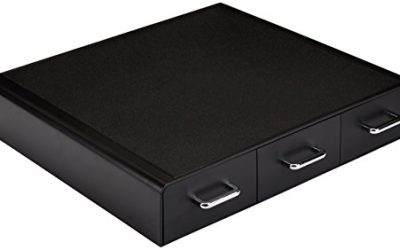
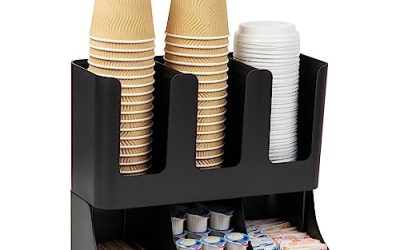
- Pod machine users need the machine and a place to store pods and cups.
Set a tier before you shop
Choose a budget tier for the whole bar, such as budget, mid-range, or premium, and split it between the brewer, grinder, and accessories. Many people spend heavily on the machine and then have nothing left for the grinder, which usually affects cup quality more.
Step Two: Choose a Spot and Keep It Small
A coffee bar can be a corner of a counter, a rolling cart, a shelf, or the top of a spare cabinet. You do not need a dedicated piece of furniture. What matters is that everything you use daily is within arm’s reach of the water source and an outlet.
What a working footprint needs
- A stable, heat-safe surface with room for the brewer and a cup.
- A nearby outlet that is not shared with a toaster or microwave.
- Access to water for filling and rinsing.
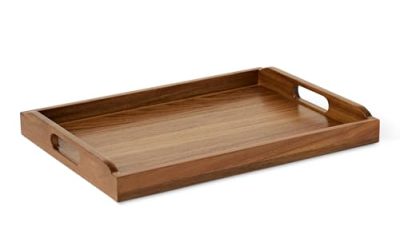
- A small tray or mat to catch drips and protect the surface.
Use vertical space
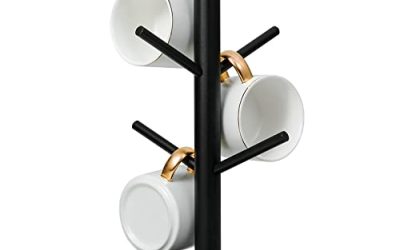
Wall hooks, a single shelf, or a small rack can hold mugs, a scale, and a kettle without taking up counter area. Keep rarely used items out of sight in a nearby cabinet so the bar stays uncluttered.
Step Three: Buy the Essentials in the Right Order
Prioritize items that affect taste and convenience, and postpone anything decorative. The order below keeps your first outlay modest while giving you the biggest improvement in the cup.
| Priority | Item | Why it matters | Where to save |
|---|---|---|---|
| 1 | Brewer suited to your drink | Sets the style and daily routine | Simple manual brewers cost less than automatic machines |
| 2 | Grinder | Fresh, even grounds improve flavor | A basic manual burr grinder can be enough |
| 3 | Kettle | Controls pouring and water temperature | A standard kettle works if you are patient |
| 4 | Airtight bean container | Protects freshness | A clean jar with a tight lid |
| 5 | Scale | Repeatable recipes | A basic kitchen scale is fine |
| 6 | Mugs and serving glasses | Comfort and presentation | Use what you already own |
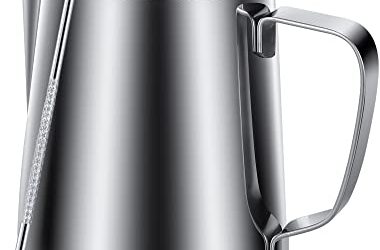
| 7 | Milk tools | Only needed for milk drinks | A hand frother before an electric one |
Where to Save and Where to Spend
Spend on the grinder
If you buy whole beans, a decent grinder is the highest-impact piece of equipment after the brewer. Uneven grounds create a muddled cup regardless of how good the machine is. If you must stretch, pick a simple burr grinder instead of a spinning-blade model.
Save on décor and extras
Syrup racks, signs, and matching canisters are nice, but they do nothing for flavor. Use jars, trays, and shelves you already have. A cutting board can serve as a bar mat, and a clean baking tray can catch drips.
Consider secondhand and open-box
Many brewers, kettles, and grinders are resold in good condition. Check that burrs are not worn, that the power cord is undamaged, and that the unit heats and pumps as it should. Avoid secondhand items with missing safety parts or signs of water damage.
Keep Running Costs Low
The cost of a coffee bar is not only the equipment. Coffee beans, filters, milk, and descaling products add up over months. A few habits keep the total manageable.
- Buy beans in a size you will finish within a few weeks rather than a large bag that goes stale.
- Use reusable filters where your brewer allows it.
- Descale and rinse on a schedule so the machine lasts longer.
- Make flavored syrups at home from sugar and water if you want sweet drinks.
- Watch for seasonal discounts on equipment, rather than buying on impulse.
Before You Buy: Checklist
- Write down the three drinks you make most often.
- Measure the spot and note the nearest outlet and water source.
- Set a budget tier and divide it between brewer, grinder, and accessories.
- List what you already own that can double as bar items.
- Decide what can wait until the next month or season.
- Check return policies in case something does not suit your routine.
A Simple Starter Layout
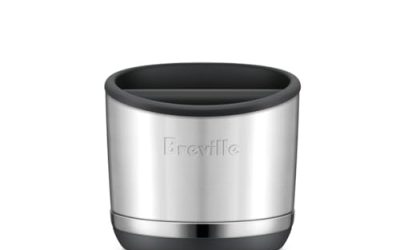
A small bar that works well in most kitchens has a brewer at the back near the outlet, a grinder beside it, and a tray at the front for cups. A jar of beans sits on a shelf above, and a small bin or bowl holds spent grounds. Everything uses less than a typical cutting board of space, and cleanup takes seconds.
Once the routine feels natural, upgrade one item at a time. A better grinder, a gooseneck kettle, or a milk jug each makes a noticeable difference, and buying them separately spreads the cost.
Three Starter Setups by Drink Style
The pour-over corner
One manual cone brewer, a pack of paper filters, a hand grinder, a basic kettle, and a scale. This setup takes about the space of a dinner plate and rewards patience with a clean cup. It is the cheapest route to good coffee because almost nothing in it is electric.
The pod and milk shelf
A compact pod machine, a small hand frother, and a pod holder. It suits shared kitchens and people who want speed over ritual. Add a reusable pod later if you want to use your own grounds.
The espresso nook
An entry-level espresso machine plus a burr grinder, a tamper, and a milk jug. This is the most expensive of the three, so build it in stages: grinder and machine first, then the milk tools. Expect a learning curve of several weeks before shots taste consistent.
Keeping the Bar Clean and Working
A budget bar lasts longer when it is looked after. Rinse the brewer after each use, wipe the surface, and empty spent grounds daily so they do not sour. Descale machines that use heated water on the schedule in the manual, and replace worn filters, gaskets, and seals before they cause leaks. Small habits like these protect the equipment you already paid for and delay the need to replace anything.
Related guides
- How To Shop Black Friday Coffee Deals Without Overpaying
- How To Make Coffee While Camping Without A Coffee Maker
- Bottomless Portafilters For Commercial Machines
Frequently Asked Questions
What is the cheapest way to start a home coffee bar?
Start with a manual brewer, a basic burr hand grinder, and a kettle, then use mugs and jars you already own. This keeps the spending low and covers the key steps of brewing.
Do I need an espresso machine for a coffee bar?
No. Drip, pour-over, French press, and cold brew all suit a home coffee bar. Choose espresso only if you regularly drink espresso-based drinks and are willing to budget for a grinder too.
Is a grinder really worth the money?
For whole-bean coffee, yes. Fresh, even grounds improve the cup more than most other upgrades, and a simple burr grinder is usually enough to see the benefit.
How do I keep a coffee bar from looking messy?
Limit daily items to what you use, store the rest out of sight, and use a tray for drips and spills. Keep a small cloth nearby and wipe the surface after each use.
More from Amazon
Programs that pair well with the guide above. Offers and eligibility are set by Amazon and may change.
Set up recurring deliveries of everyday items on eligible products. Terms and savings are set by Amazon.
Explore Subscribe & SaveCollect the home and kitchen items you want in one registry that guests can shop from.
Create a wedding registryFree shipping on eligible items, Prime Video and more. Eligible new members can start with a free trial.
Start a Prime free trialAudiobooks and podcasts to listen to on the go. Eligible new members can start with a free trial.
Try Audible freeAs an Amazon Associate we earn from qualifying purchases.
Write Your Review
No reviews yet. Be the first to share your experience!