

Key takeaways
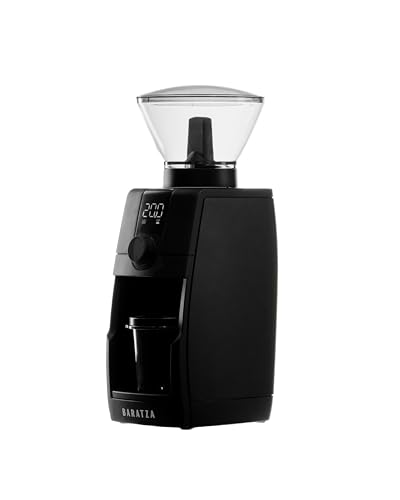
- Best Overall for Entry Machines: Baratza Encore ESP, with a dedicated espresso range and 40mm conical burrs.
- Best Step-Up With Timer: Breville Smart Grinder Pro, with 60 settings, an 18 oz hopper and portafilter cradles.
- Best Stepless Value: Eureka Mignon Notte, a 50mm flat-burr stepless grinder with manual dosing.
- Best Budget Hand Grinder: Timemore Chestnut C3 ESP, with 38mm S2C burrs and fine clicks.
- Best Big-Burr Hand Grinder: KINGrinder K6, with 48mm burrs and 16 micron steps.
- Best Lowest-Cost Electric Attempt: Gevi 35-setting burr grinder, listed with espresso at the fine end and a portafilter cradle.
The best affordable coffee grinder to pair with an entry espresso machine is the Baratza Encore ESP, which splits its 40 settings into a fine espresso range (1 to 20) and a filter range (21 to 40) and includes a 54mm dosing cup with a 58mm adapter. If you can stretch the budget, the Breville Smart Grinder Pro adds 60 settings and a digital timer, and the Eureka Mignon Notte is the step toward stepless dialing. If you would rather spend less and turn a handle, the Timemore Chestnut C3 ESP hand grinder offers roughly 23 micron steps for espresso.
A grinder matters as much as the machine in an espresso setup, and this is where many buyers misjudge their budget. An espresso machine pushes hot water through a compact puck of coffee, so tiny differences in particle size change the shot from sour and gushing to bitter and choked. A cheap blade grinder or a basic drip burr cannot make those small corrections. This guide compares six grinders that are sold in the shop catalog and that are realistic partners for an entry espresso machine: it explains how to match grinder and machine, what to look for in settings and dosing, and where to compromise. It is research-based: we did not personally use these grinders, and we list our sources at the end.
Our top picks



As an Amazon Associate we earn from qualifying purchases at no extra cost to you.
Top Picks at a Glance
- Best Overall for Entry Machines: Baratza Encore ESP, with a dedicated espresso range and 40mm conical burrs.
- Best Step-Up With Timer: Breville Smart Grinder Pro, with 60 settings, an 18 oz hopper and portafilter cradles.
- Best Stepless Value: Eureka Mignon Notte, a 50mm flat-burr stepless grinder with manual dosing.
- Best Budget Hand Grinder: Timemore Chestnut C3 ESP, with 38mm S2C burrs and fine clicks.
- Best Big-Burr Hand Grinder: KINGrinder K6, with 48mm burrs and 16 micron steps.
- Best Lowest-Cost Electric Attempt: Gevi 35-setting burr grinder, listed with espresso at the fine end and a portafilter cradle.
Comparison Table
| Product | Best for | Key specs | Watch for | Price tier |
|---|---|---|---|---|
| Baratza Encore ESP | Entry machines with 54 or 58mm baskets | 40mm conical burrs; settings 1 to 20 espresso, 21 to 40 filter; 8 oz hopper | Stepped, not stepless | Mid-range |
| Breville Smart Grinder Pro | Espresso plus filter in one | 60 settings; 18 oz hopper; timer in 0.2 second steps | Tall, bulky | Premium |
| Eureka Mignon Notte | Stepless dialing on a budget | 50mm flat burrs; stepless; about 150g hopper | Manual dosing, no timer | Premium |
| Timemore Chestnut C3 ESP | Hand grinding for espresso | 38mm S2C burr; about 23 micron clicks; about 20 to 25g capacity | About a minute per dose | Budget to mid-range |
| KINGrinder K6 | Fast, precise hand grinding | 48mm burr; 16 micron steps; 30 to 35g capacity | Weight about 630 to 650g | Premium hand |
| Gevi 35-setting burr grinder | Lowest-cost electric with a portafilter cradle | Conical burr; 35 settings; 240g bean box; 200W | Settings are broad for dialing | Budget |
What an Entry Espresso Machine Needs From a Grinder
A typical home shot uses about 18 grams of ground coffee to make roughly 36 grams of liquid in 25 to 30 seconds. If the grind is too coarse, the water rushes through and the shot tastes sour and thin. If it is too fine, the flow chokes and the shot tastes bitter. You fix this with the grinder, one small step at a time, so the size of those steps is the most important spec for espresso. In a 40-setting grinder the espresso range may offer about 20 microns per step, while a drip-oriented grinder may jump by 60 to 100 microns between steps, which is too big to dial in a shot.
Entry machines also come with different baskets. Many include pressurized baskets that forgive a coarser, less even grind, while machines with standard (non-pressurized) baskets demand a proper espresso grinder. Machines with 54mm portafilters are common at the entry level, and 58mm is the commercial standard, so check that your grinder’s cradle or dosing cup fits the portafilter size.
| Entry machine type | Basket | Grinder demands | Suitable picks |
|---|---|---|---|
| Pump machine with pressurized baskets | Pressurized | Low; any burr with fine settings works | Gevi, Encore ESP |
| Pump machine with standard 54mm basket | Standard | High; small steps needed | Encore ESP, Timemore C3 ESP |
| Semi-automatic with 58mm portafilter | Standard | High; stable dose and fine steps | Smart Grinder Pro, Eureka Notte, KINGrinder K6 |
| Stovetop moka pot or AeroPress | None | Medium-fine steps | Any pick here |
1. Baratza Encore ESP: Best Overall for Entry Machines
- 40mm conical M2 steel burrs with a quick-release cone
- Settings 1 to 20 for espresso in small steps, 21 to 40 for filter in larger steps
- Hopper 8 oz (230g); grounds bin 5 oz (142g); 24g dosing cup
- Includes a 54mm anti-static dosing cup with a 58mm adapter
- About 70W, 550 RPM with no load; roughly 7 lb
Best for: entry machines with 54 or 58mm portafilters. Skip if: you want a stepless dial or a timer.
The Encore ESP is the most direct answer to the question of an affordable grinder for espresso, because it adapts a proven filter grinder to a fine range. Dedicating half the dial to espresso means each click changes the particle size by a small amount, which is what makes dialing practical. The conical burrs are a good match for the entry machine’s lower pressure and gentler dose.
Some reviewers quote about 20 microns per click in the espresso range and about 90 in the filter range, but we have not verified those against Baratza’s own chart, so treat them as approximate. The grinder has no timer or auto-stop, which means you dose by weight and by watching the cup. If you want those features, the ESP Pro adds a digital display and a larger hopper, at a higher price.
Pros: dedicated espresso range; dosing cup included; widely supported; replaceable burrs. Cons: stepped; no timer; moderate retention in the chute.
2. Breville Smart Grinder Pro: Best Step-Up With Timer
- 60 grind settings, from espresso to French press
- 18 oz (450g) bean hopper with a lock
- Stainless steel conical burrs with an adjustable upper burr
- Digital timer in 0.2 second increments
- Includes 50 to 54mm and 58mm portafilter cradles, a sealable grounds container and a brush
Best for: households that grind straight into a portafilter and want repeatable doses. Skip if: you have limited headroom or want a stepless dial.
The Smart Grinder Pro is common in entry espresso bundles for good reason. Sixty settings spread over the range gives you fine steps at the espresso end, and the digital timer lets you set a dose by time and then refine it by weight. The cradles hold a portafilter in place so you can walk away for a few seconds.
Dosing by time varies with bean type, roast and hopper level, so weigh your first few doses and adjust the timer. Burr diameter is not clearly stated in the sources we checked and is marked not listed here. The unit is about 15 inches tall and weighs around 6.4 pounds.
Pros: many settings; timer; cradles; large hopper. Cons: tall; plastic hopper; time-based dosing needs calibration.
3. Eureka Mignon Notte: Best Stepless Value
- 50mm flat steel burrs with stepless grind adjustment
- Round hopper listed at 150g (5.5 oz); retailers differ
- Manual dosing: the grinder runs while the portafilter holds the button; no timer
- Metal casing; weight about 12 to 15 pounds depending on source
- The adjustment knob moves the lower burr carrier, so you can remove the burrs for cleaning without losing your setting
Best for: espresso-first households that want stepless adjustment and a quiet build. Skip if: you want programmable doses or you also brew filter in large amounts.
The Notte shows what extra money buys. Stepless dialing means you can adjust by a hair, and the heavy metal casing stays put on the counter. Flat burrs are common in espresso grinders for a clarity of flavor that many drinkers like. The cost is convenience: no timer, no memory, and a smaller hopper. Wattage and speed are reported differently across retailers, so we leave them out.
Pros: stepless; metal build; cleanable burrs; compact for its class. Cons: manual dosing; small hopper; higher cost.
4. Timemore Chestnut C3 ESP: Best Budget Hand Grinder
- 38mm hardened stainless steel S2C 660 conical burr
- 30 clicks per rotation, about 23 microns per click
- Capacity listed around 20 to 25g, so a typical 18g dose is near the maximum
- All-metal aluminum body, 52mm diameter; weight listed from 530g to 700g depending on source
- Internal adjustment; a Pro version adds about 36 levels and a folding handle
Best for: espresso beginners with a small budget and an entry machine. Skip if: you make several drinks in a row.
A hand grinder with fine clicks can match or exceed the evenness of a cheap electric grinder. One review reports about 1 minute 12 seconds to grind 17 grams at around 20 clicks, so budget a minute per shot. The 23 micron step is fine enough to dial in, though the internal adjustment means you open the grinder to change it. If you want an external dial and a larger burr, see the KINGrinder below.
We found no official chart for a starting click on a 25 gram dose, so begin in the middle and adjust by shot time.
Pros: fine clicks; metal body; portable; budget friendly. Cons: a minute per dose; capacity limit; internal adjustment.
5. KINGrinder K6: Best Big-Burr Hand Grinder
- 48mm heptagonal stainless steel burrs (SUS420)
- 60 clicks per rotation, 16 micron gaps, about 240 settings across four rotations
- Capacity listed at 30 to 35g in most sources
- Anodized aluminum body with dual bearings; 6.35mm hex drive
- External numbered adjustment collar
Best for: a premium hand grinder that is quick and precise. Skip if: you want to travel light or never grind by hand.
With a 48mm burr the K6 grinds faster than smaller hand grinders, and the 16 micron steps are fine enough for dialing espresso. The external collar lets you change settings without opening the grinder. Capacity and total settings vary by listing, so treat them as approximate. The drill-drive option is handy if your wrist tires.
Pros: fine steps; quick for a hand grinder; external dial; solid build. Cons: heavy; cost near entry electric grinders; spec variations.
6. Gevi 35-Setting Burr Grinder: Best Lowest-Cost Electric Try
- Conical hardened stainless steel burrs with a removable upper burr
- 35 grind settings; espresso roughly settings 1 to 15, drip 15 to 25, pour over and press 25 to 35
- Bean box up to 240g; grounds container up to 130g; 1 to 14 cup selection
- 200W motor; a cradle for a 51mm portafilter is mentioned on one listing
- Portafilter not included
Best for: machines with pressurized baskets and tight budgets. Skip if: you use standard baskets and want to dial in.
The Gevi is the most affordable way to get a burr grinder with espresso on its dial. The honesty point is that 15 settings across the espresso range is coarse for dialing a standard basket, but it can work with a pressurized basket on an entry machine. A hopper figure of 240g conflicts with a review that suggests 100 to 150g, so confirm before you rely on it.
Pros: low cost; espresso markings; removable burr. Cons: coarse espresso steps; mixed hopper reports; plastic build.
Also Consider
- Baratza Encore (non-ESP): a filter-focused grinder with 40 settings if your espresso machine uses pressurized baskets and filter is your main use.
- Fellow Opus 2: a stepless 48mm conical grinder with a 30g espresso dosing cup and a two-year warranty; premium tier; reviewers consider it stronger for espresso than for filter.
- IAGREEA and AMZCHEF 48-setting burr grinders: low-cost electrics listed with 48 settings; limited independent coverage, so specs beyond the title are not listed.
- Baratza Encore ESP Pro: a version with a digital display, a timer and a 300g hopper at a higher price.
How We Chose
We began with grinders in the shop catalog and kept those with a documented espresso range or fine steps. We compared maker pages, retailer spec tables and independent reviews such as Portafilter Co, Seattle Coffee Gear and Brew Coffee Home. We favored dosing tools (cradles, timers), cleanable burrs and clear settings. Where sources disagreed, such as hopper size on the Eureka and Gevi, we said so. This is a research-based guide and we did not personally use these grinders. We use price tiers rather than exact amounts.
A Worked Example: Dialing In a First Shot
Suppose you have an entry machine with a 54mm basket and an Encore ESP. Weigh 18 grams of beans and grind at around setting 8 as a starting point. Tamp evenly and pull a shot, aiming for 36 grams of liquid in 25 to 30 seconds. If the shot finishes in 15 seconds and tastes sharp, move down to setting 6 or 7 (finer). If it takes 40 seconds and tastes bitter, move up by one. Change only the grind, and keep the dose and the tamp as consistent as possible.
With a hand grinder like the Timemore C3 ESP, the same logic applies: start at about 20 clicks from closed (a retailer review used this for 17 grams), then move one or two clicks per shot. Each shot uses about 18 grams, so you will go through a 250 gram bag in about 14 shots. That is why dialing in with a fresh bag is worth doing carefully, and why you should expect to drop some shots down the sink.
A good rule: when a new bag arrives, aim to land within three shots. If you are not there after five, check the basics: dose weight, tamp pressure, water temperature and bean freshness. Most beans taste best between a week and a month after roasting.
Keeping an Espresso Grinder Healthy
An espresso grinder works harder than a drip grinder because the fine setting presses the burrs close together and espresso beans are often oily. A few routines keep it consistent. Brush the burr chamber and chute weekly, and wipe the dosing cup so old grounds do not cling to the next dose. Every month or two, remove the upper burr if the model allows it (the Encore ESP has a quick-release cone and the Gevi has a removable upper burr) and brush the lower burr and the exit path. Do not rinse burrs under water, because moisture rusts steel and leaves residue.
Grinder cleaning tablets can help with oil build-up, but follow the maker’s manual because some manufacturers advise against them. Replace burrs when shots start to run faster at the same setting or the grind looks uneven. Steel burrs in home grinders usually last for years of normal use. Hand grinders are even simpler: unscrew the burr stack, brush it, and reassemble, taking care to return the adjustment ring to its former position so you do not lose your dialed-in number.
Grinders for Milk Drinks Versus Straight Shots
If most of your drinks are lattes and cappuccinos, you can tolerate a slightly less perfect grind than a straight espresso drinker, because milk and sugar cover small flaws. That is why the Gevi and a pressurized basket can be a reasonable first step for a milk-drink household. If you drink straight shots or Americanos, the grinder becomes much more important, and it is worth stepping up to the Encore ESP or a quality hand grinder. In both cases, fresh beans and a scale remain the best investments.
Buying Guide
Step Size and Range
Look for steps of about 20 to 25 microns or finer at the espresso end. Anything with fewer than 30 positions in the espresso range will feel clumsy. Stepless dials give the most flexibility but are harder to repeat without marks.
Burr Type and Size
Conical burrs of 38 to 48mm are common in affordable grinders and work well for entry machines. Flat burrs of 50mm and larger appear in dedicated espresso grinders and can add clarity. Larger burrs grind faster, which matters for hand grinders.
Dosing Method
Timers dose by time, which varies by bean. Weighing doses is more precise. If you do not own a scale with 0.1 gram resolution, buy one; it matters as much as the grinder.
Portafilter Fit
Match the dosing cup or cradle to your portafilter: 54mm is common at the entry level and 58mm at the commercial level. The Encore ESP includes a 54mm cup and a 58mm adapter, and the Smart Grinder Pro includes cradles for both sizes.
Retention and Cleaning
Retention is the coffee left in the grinder after dosing. Hand grinders and single-dose designs minimize it. For hopper grinders, purge a few grams when you change beans, and brush the chute weekly.
Common Mistakes
- Spending the whole budget on the machine and pairing it with a basic drip grinder.
- Changing grind, dose and tamp at once.
- Using old beans: stale coffee gives thin shots no matter the grinder.
- Ignoring dose weight and relying on volume.
Frequently Asked Questions
What is the best affordable coffee grinder for espresso?
The Baratza Encore ESP is the usual entry recommendation because of its dedicated espresso range, followed by the Breville Smart Grinder Pro for those who want a timer.
Can I use a regular drip grinder for espresso?
Only with pressurized baskets, and even then results are limited. Drip grinders lack the fine steps needed for standard baskets.
Is a hand grinder good enough for espresso?
Yes. Quality hand grinders such as the Timemore C3 ESP and KINGrinder K6 have fine steps and good burrs. The cost is time and effort.
Do I need a stepless grinder?
No. Stepped grinders with fine increments, like the Encore ESP, work well. Stepless designs offer more flexibility but need more care.
How much should I spend on a grinder compared with the machine?
Many espresso enthusiasts recommend spending at least as much on the grinder as on an entry machine. If your machine is inexpensive, a mid-range grinder is a sensible balance.
What size portafilter do I need to match?
Check your machine’s manual. Entry machines are often 51 to 54mm, and 58mm is the commercial standard. The grinder’s dosing cup or cradle must fit.
Which is the best affordable coffee grinder if I also brew filter coffee?
The Encore ESP and Smart Grinder Pro both cover filter ranges. The Encore ESP separates espresso and filter ranges clearly, while the Breville offers more steps overall.
Which One Should You Buy?
Choose the Baratza Encore ESP for the best balance of cost and espresso capability. Choose the Breville Smart Grinder Pro for the timer and the larger range. The Eureka Mignon Notte suits stepless dialing, and the Timemore C3 ESP and KINGrinder K6 are strong hand-grinding options. The Gevi is the lowest-cost electric, best paired with a pressurized basket. Whichever you pick, a scale and fresh beans will do more for your shots than a bigger budget.
Sources
- Baratza Encore ESP retailer and maker specifications
- Breville Smart Grinder Pro instruction booklet
- Eureka Mignon Notte product guide from Seattle Coffee Gear
- Timemore Chestnut C3 ESP listings and Brew Coffee Home review
- KINGrinder K6 listings and Coffee Gear review
- Gevi burr grinder product pages
Last updated: October 2026





Write Your Review
No reviews yet. Be the first to share your experience!