

Key takeaways
- Choose a built-in coffee machine if you are renovating, want a clean counter and have a cabinet bay with the right plumbing and power.
Choose a built-in coffee machine if you are renovating, want a clean counter and have a cabinet bay with the right plumbing and power; choose a countertop machine if you rent, want flexibility or need to keep costs and installation simple. Everything else in this guide is about how those two paths differ in space, setup, upkeep and what happens when something breaks.
What Each Type Actually Is
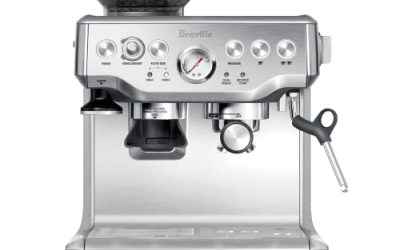
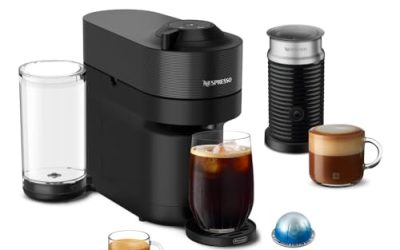
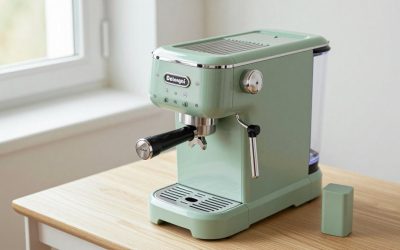
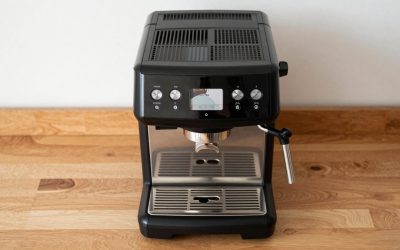
A countertop machine sits on your counter, plugs into a standard outlet and, in most cases, takes water from a refillable tank. You can move it, replace it or take it with you when you move house. It ranges from simple drip brewers to bean-to-cup machines with grinders and milk systems. The same category covers pod machines, manual espresso machines and everything between them, so the form factor says little about how sophisticated the coffee is.
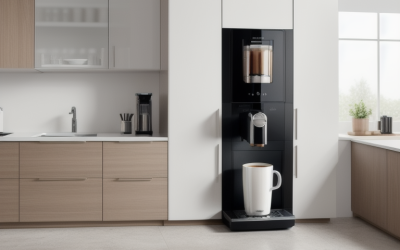
A built-in machine is designed to sit inside a wall unit or tall cabinet, often at eye or chest height, with a front panel that lines up with other built-in appliances. Many connect to a water line, a drain or both, so you never refill a tank or empty a drip tray by hand. They are a fixture of the kitchen rather than a gadget on top of it. In 2026, the choice is less about quality and more about how permanent you want the setup to be.
How the Two Compare
| Factor | Built-in | Countertop |
|---|---|---|
| Counter space | Frees the counter completely | Uses a fixed footprint every day |
| Installation | Needs cabinetry, power and often plumbing | Plug in and fill the tank |
| Flexibility | Hard to move or swap | Easy to move, replace or upgrade |
| Upfront commitment | Higher, with more planning | Lower, with fewer decisions |
| Daily upkeep | Plumbed models may skip refilling | Tank and tray need regular attention |
| Servicing | Often needs a technician or removal | Easy to unplug and ship |
| Look and fit | Matches built-in oven and drawers | Varies, and may clutter a small counter |
| Best for | Renovations and owner-occupied kitchens | Rentals and flexible households |
Practical Differences That Matter at Home
Space and layout
A built-in machine moves the coffee station into a cabinet, which keeps a counter clear for cooking. It does need a niche with specific width, height and depth, plus ventilation, so it works best when planned alongside the rest of the kitchen. Many built-in models also expect a particular cabinet height so the cup area is easy to reach without bending. A countertop machine sits where you put it and can move if your layout changes, but it takes up the same counter space every day.
Water and power
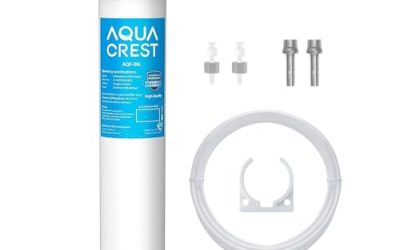
Countertop machines use a tank you fill. Built-in models can use a tank too, but many offer a direct water line and a drain connection. Plumbing adds convenience and a point of failure, so you need a proper shut-off, a suitable line and local rules observed. If you are unsure, ask a licensed plumber or electrician rather than guessing.
Cleaning and maintenance
Both types need descaling, and both need regular rinsing of milk parts. Built-in machines may be harder to reach for deep cleaning, so look for models with easy front access. Countertop machines are simple to pull forward, tip or carry to a sink, which makes routine care more relaxed. Removable trays and tanks are common on both types, so look for parts you can rinse without tools.
Repairs and replacement
If a countertop machine fails, you can unplug it, ship it or swap it. A built-in unit may require a technician, careful removal and a matching cutout for any replacement. Check the cutout dimensions of a new unit against the old before you commit, because sizes are not universal. If you cannot find a drop-in match, expect to adjust the cabinet, and budget time for that work.
Before You Start: A Checklist
- Measure the cabinet niche or the counter spot, including height for the water tank and top clearance
- Confirm whether you have a power point inside the cabinet or nearby
- Decide if you want a water line or a refillable tank
- Check whether you rent or own, and whether you can alter cabinetry
- Consider how many drinks you make per day and whether you need milk
- Read the maker’s installation guide before you buy, not after
- Ask who will handle servicing if the unit fails after the warranty period
- Plan where you will store cups, beans or pods so they are within arm’s reach
Ownership Over the Long Term
Think past the first week. A countertop machine is a short, simple commitment: if you outgrow it, you swap it and carry on. A built-in machine ties your kitchen to a specific cutout, so a future replacement is easiest if you pick a maker with a stable range and standard dimensions.
Ask how the maker handles service, spare parts and descaling supplies, and whether a technician can reach the machine without taking out the cabinetry. Also consider resale: a well-matched built-in appliance can be a selling point in an owner-occupied home, while a countertop machine leaves with you. None of this is a reason to avoid either type; it is a reason to buy with the next five years in mind rather than just the first month.
Which Type Suits Which Household
Built-in suits owners who are planning a new kitchen or a full renovation and want appliances that line up. It works well for households that make several coffees a day and value a clear counter. It also suits people who like a quiet, finished look and are comfortable with a professional install. If you entertain often, a built-in machine at a convenient height can also keep guests out of the main cooking area.
Countertop suits renters, first-time buyers of a quality machine and anyone who is not sure how much they will use it. It also fits households that like to change machines as their taste evolves, since swapping is simple. If you are somewhere in between, a countertop model on a dedicated coffee shelf can give much of the tidy look with none of the renovation.
Questions to Ask a Retailer or Installer
Before you commit, ask for the installation drawing, the required cutout size and the ventilation gap. Ask whether the machine needs a dedicated power circuit, and what the maker says about distance to a water supply. If a plumber or electrician is involved, share the specification sheet with them early so they can flag problems before the cabinets are made.
For a countertop machine, the questions are simpler: how tall is it with the lid open, where does the water tank pull out, and is there enough room under the wall cabinet to refill it comfortably? A machine you cannot refill without moving it will soon feel like a chore.
Common Mistakes to Avoid
Buying a built-in machine before the cabinetry is planned is the most frequent regret, because the niche dictates the model. Ordering the appliance late is a close second, since cabinet makers need exact dimensions. Another is assuming any machine fits any cutout; dimensions differ between makers. People also underestimate servicing: when a built-in unit needs repair, access can be limited. On the countertop side, the common error is buying a large machine for a small counter and then leaving it pushed into a corner where it is awkward to refill.
Related guides
- How To Shop Black Friday Coffee Deals Without Overpaying
- How To Make Coffee While Camping Without A Coffee Maker
- Bottomless Portafilters For Commercial Machines
Frequently Asked Questions
Is a built-in coffee machine worth it?
It can be, if you own your home, are planning cabinetry and drink coffee daily. If you rent or may move soon, a countertop machine usually makes more sense.
Do built-in machines need a water line?
Not always. Many have a refillable tank, and some offer a plumbed option. Check the specification and local plumbing rules, and consider a professional for the installation.
Can I turn a countertop machine into a built-in setup?
Only if the maker allows it. Countertop machines need ventilation and clearance, and enclosing them can be unsafe. Follow the manual and do not box one in without guidance.
Which is easier to maintain?
Countertop machines are generally easier to reach and move. Built-in machines may save refilling, but deep cleaning and repairs can take more effort.
More from Amazon
Programs that pair well with the guide above. Offers and eligibility are set by Amazon and may change.
Set up recurring deliveries of everyday items on eligible products. Terms and savings are set by Amazon.
Explore Subscribe & SaveCollect the home and kitchen items you want in one registry that guests can shop from.
Create a wedding registryFree shipping on eligible items, Prime Video and more. Eligible new members can start with a free trial.
Start a Prime free trialAudiobooks and podcasts to listen to on the go. Eligible new members can start with a free trial.
Try Audible freeAs an Amazon Associate we earn from qualifying purchases.
Write Your Review
No reviews yet. Be the first to share your experience!