

Key takeaways
- Compare the best hand press espresso makers: Flair lever machines, a dual-lever Bincoo and an AeroPress, with pressure and fit notes.
The Flair 49 PRO is the strongest overall choice here for anyone serious about hand-press espresso: a 49mm lever machine with a handled portafilter, a pressure gauge and no plastics in the brew path, according to its listing. Beginners who want the original Flair design should look at the Flair Classic, and travelers who care more about simplicity than pressure can consider the AeroPress. A hand press espresso maker uses your own arm on a lever to push hot water through finely ground coffee, so no pump or outlet is involved. Six listings are sorted below, including two that are not full espresso machines.
Quick List
- Flair 49 PRO – best for a serious manual lever setup with a gauge and a handled portafilter
- Flair Classic – best for learning lever espresso with two portafilters in the box
- Bincoo S3 (first listing) – best for pressure profiling with a dual-lever design
- Bincoo S3 (second listing) – best for shoppers comparing the same machine under another listing
- AeroPress Original – best for an easygoing, portable concentrated brew that is not true espresso
- Maclia 51mm Tamper – best as an accessory for 51mm portafilters, not a machine
Which One Is Right for You?
| If you… | Choose |
|---|---|
| want a proper manual espresso workflow and plan to dial in shots carefully | Flair 49 PRO |
| want to learn lever espresso on the original Flair format | Flair Classic |
| like the idea of adjustable pre-infusion and a larger 58mm portafilter | Bincoo S3 (first listing) |
| are comparing listings of the same Bincoo S3 and want to confirm the variant | Bincoo S3 (second listing) |
| travel, camp, or just want a forgiving coffee maker that also makes a strong concentrate | AeroPress Original |
| already own a 51mm portafilter machine and need a tamper | Maclia 51mm Tamper |
The first question is whether you want real espresso pressure or simply strong coffee. Lever machines can approach the pressure range espresso needs. The AeroPress cannot, although it makes a pleasant concentrate. Be sure your grinder can go fine enough as well, since no hand press will make good espresso from coarse grounds.
All 6 Picks in Detail
1. Flair Classic – Best for Learning Lever Espresso
As an Amazon Associate we earn from qualifying purchases at no extra cost to you.
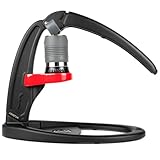
The Flair Classic is described in its listing as an all-manual lever espresso maker for the home, with a pressure gauge and two portafilters included. It is the original format of the brand, and the manufacturer positions it as capable of brewing in the 6 to 9 bar range. If you are curious about manual espresso and unsure you will stick with it, this is the traditional way in. Having two portafilters in the box lets you try different baskets or prepare a second dose while the first shot is finishing.
Who is it for? Someone who wants a no-electricity espresso routine, accepts that the first dozen shots are practice, and has or plans to buy a fine grinder. Who should skip it? Anyone expecting push-button convenience, or anyone who cannot spare the extra minutes for boiling water, preheating and cleanup. The Classic also leaves room for upgrades later, since lever machines of this type are often paired with accessories such as puck screens and different baskets, but confirm accessory compatibility with the maker before buying anything extra.
Detailed specifications such as brew-chamber volume and materials were not stated in the listing text available here, so confirm them on the product page. The Classic is also generally described as holding heat less well than the all-stainless 49 PRO brew cylinder, so preheating and quick work matter more.
- Type: all-manual lever espresso maker
- Gauge: pressure gauge included
- Portafilters: two included, per the listing
- Pressure range: manufacturer describes 6 to 9 bar brewing
- Brew volume and materials: confirm on listing
Pros:
- Two portafilters included
- Original, widely discussed design
Cons:
- Less heat retention than the 49 PRO
- Details beyond the title need checking
Next to the 49 PRO, it is the starter format with less polish.
2. Flair 49 PRO – Best for a Serious Manual Lever Setup

The Flair 49 PRO is a fully manual lever machine. Its listing highlights a 49mm portafilter with a handle, a pressure gauge and no plastics in the brew path. That last point matters to buyers who do not want hot water touching plastic. The manufacturer’s product materials and several retailers describe a target zone of 6 to 9 bar on the gauge, a reservoir of about 90 ml, a maximum output of roughly 55 ml and a dose range of about 12 to 20 grams. Treat those numbers as reference points and confirm them on the current listing.
Who should skip it? Anyone who wants speed. A hand press shot involves heating water, preheating the brew head, grinding, dosing, tamping and pulling, then rinsing the parts. People who like that ritual tend to love it, while people in a rush often return to a pump machine. Also plan for a fine grinder, because the 49mm basket is unforgiving of uneven particles.
Because there is no heater, you preheat the brew head and add hot water yourself. That adds a step, but it also gives you control over temperature. This is a machine for people who enjoy the process, and it rewards a consistent routine: same dose, same grind, same preheat, same pull.
- Type: manual lever, no electronics
- Portafilter: 49mm with handle, per the listing
- Pressure gauge: included; target zone commonly given as 6 to 9 bar
- Brew path: described as free of plastics
- Heating: none built in; preheat manually
Pros:
- Gauge gives feedback while you pull
- No plastics in the brew path
- Works anywhere you have hot water
Cons:
- Needs a capable fine grinder
- Workflow is slower than a pump machine
Compared with the Flair Classic, it is the more refined and more rigid option.
3. Bincoo S3 (First Listing) – Best for Pressure Profiling with a Dual-Lever Design

The Bincoo S3 takes a different approach from the Flair machines. Its title describes a hand-press espresso machine with 12 bar pressure profiling, a dual-lever design and pre-infusion. The manufacturer’s page describes micro-adjustable pressure springs, a 360 degree gauge, a 58mm portafilter, a roughly 3.8 kg body of stainless steel with brass reinforcements, and a range from 3 bar pre-infusion to 12 bar extraction. These details come from the maker, so double-check them against the listing you buy from.
Who is it for? Tinkerers. If you enjoy changing pre-infusion time, watching a gauge and comparing how different pressure curves taste, the dual-lever idea is attractive, and the bigger basket means a bigger dose. Who should skip it? Anyone who wants a smaller footprint, a proven long-term record or a very predictable setup, because the listings leave several questions open. Check what is in the box, including the portafilter, baskets and tamper, and whether a spare gasket or screen is available.
Listings for this machine are not fully consistent. Some show different pressure values, weights and dimensions, and some categorize it oddly. Read the full description and look at the photos before ordering, and contact the seller if a value matters to you.
- Type: dual-lever manual espresso maker
- Pressure: 12 bar profiling in the title; pre-infusion adjustable
- Portafilter: 58mm per the maker
- Build: stainless steel with brass parts per the maker; confirm on listing
- Weight: about 3.8 kg per the maker; listings differ
Pros:
- Pre-infusion and profiling controls for experimenters
- Larger 58mm basket format
Cons:
- Inconsistent specs across listings
- Heavier and bulkier than a travel press
Compared with the 49 PRO, it offers more adjustment and less track record in this list.
4. Bincoo S3 (Second Listing) – Best for Comparing the Same Machine Under Another Listing

This entry carries the same product title as the previous one, which suggests a second listing or variant of the Bincoo S3. One regional retailer lists a green version with a stated output pressure of 9 bar and a two-cup capacity, which differs from the 12 bar in the title. Those are exactly the kinds of discrepancies worth sorting out before buying. If you are picking between the two Bincoo listings, compare color, what is included, the seller and the stated pressure, then choose the one with the clearest information.
A reasonable approach is to open both Bincoo listings side by side and compare images, included accessories and the specification table line by line. If one says 12 bar and the other says 9 bar, do not assume which is correct: ask the seller, and read the manual if it is posted. Because lever machines depend on your force, the printed bar number is a ceiling, not a guarantee of what you will actually pull.
Everything said about the first listing applies here: it is a dual-lever design with pre-infusion, aimed at people who want to adjust the shot. The same caution about conflicting specs applies.
- Type: dual-lever manual espresso maker
- Pressure: title states 12 bar; some listings state 9 bar, so confirm
- Capacity: some listings mention two cups; confirm
- Controls: pre-infusion, per the title
- Color and accessories: confirm on listing
Pros:
- Same adjustable features as the first listing
- Gives another purchase option
Cons:
- Duplicate title makes variants confusing
- Stated numbers conflict between sources
It is functionally the first Bincoo listing again, so choose between them based on seller details.
5. AeroPress Original – Best for a Portable Concentrated Brew

The AeroPress Original is a plunger-style brewer, and its listing is careful to call the result “espresso style” among other brew styles. It is not a pressurized espresso machine: hand force on the plunger produces much less pressure than a lever press, so the result is a strong, concentrated cup rather than a shot with traditional crema. What it does well is forgiveness. The maker describes a roughly 2-minute brew and clean cycle, a capacity of about 10 ounces, and a polypropylene body that is free of BPA.
It also suits anyone who makes one or two drinks at a time and wants to experiment with recipes. A common approach is to brew a small, strong portion with a fine grind and then dilute it with hot water for an Americano-style cup, or add steamed milk for a latte-style drink. Because the chamber is small, it is not practical for entertaining a crowd. If you want actual crema and a thick shot, step up to one of the lever machines above.
For travelers and small kitchens it is the sensible pick, because it is light, tough and works with a wide range of grinds.
- Type: plunger brewer, not a lever espresso machine
- Capacity: about 10 oz per the maker
- Brew time: around 2 minutes including cleanup per the maker
- Filters: paper micro-filters included; a reusable metal filter is sold separately
- Material: BPA-free plastic body per the maker
Pros:
- Portable and durable
- Easy to clean
Cons:
- Does not make true espresso
- Small volume per brew
Compared with the Flair machines, it is easier but less capable of pressure-driven shots.
6. Maclia 51mm Tamper – Best as an Accessory, Not a Machine

This listing is a stainless steel tamper with a wood handle for 51mm portafilters. It is not a hand press espresso maker, so it ranks last. It is useful only if you already own a 51mm portafilter machine. It will not fit the 49mm Flair 49 PRO basket or the 58mm Bincoo basket described above.
Who should buy it? Someone who owns a 51mm portafilter machine and wants a better-feeling tamper than the plastic one that came with it. Who should skip it? Everyone else. If you are shopping for a hand press espresso maker, put your money into the machine and grinder first, then buy accessories that match the basket you actually have.
The reason to mention it is that tamper fit is a common mistake in this category. A tamper should sit in the basket with only a very small gap around the edge, so measure your basket first.
- Type: hand tamper
- Size: 51mm as listed
- Materials: stainless steel base with wood handle
- Compatibility: 51mm portafilters only
- Weight: confirm on listing
Pros:
- Useful accessory for 51mm baskets
- Simple and durable
Cons:
- Does not brew anything
- Wrong size for most machines in this list
Unlike the machines above, it only helps if you already own matching equipment.
Specs Compared
| Model | Format | Portafilter or chamber | Pressure | Notes |
|---|---|---|---|---|
| Flair 49 PRO | Manual lever | 49mm with handle | Gauge, 6-9 bar target zone | No plastics in brew path; manual preheat |
| Flair Classic | Manual lever | Two portafilters included; size confirm on listing | Gauge, 6-9 bar described by maker | Chamber volume confirm on listing |
| Bincoo S3 (first) | Dual-lever | 58mm per maker | 12 bar profiling in title | Pre-infusion; listings vary |
| Bincoo S3 (second) | Dual-lever | 58mm per maker, confirm | 12 bar in title; some listings say 9 bar | Same title as first listing |
| AeroPress Original | Plunger | Chamber, about 10 oz | Low hand pressure, not true espresso | Paper filter included |
| Maclia 51mm Tamper | Accessory | Fits 51mm baskets | Not applicable | Not a brewer |
How We Chose These
These picks come from research into listing titles, manufacturer pages and specification fields rather than bench work. We favored machines whose listings clearly stated pressure behavior, portafilter size and brew path materials, and we compared them against manufacturer descriptions. Where listings disagreed, as with the Bincoo S3, we noted it and asked the reader to confirm. Items that are not true hand press espresso makers, such as the AeroPress and the tamper, were kept but ranked lower with an honest explanation.
What to Look For
Pressure and What It Means
Traditional espresso is brewed at about 9 bar. Lever machines try to hit that range through your own force, which is why a gauge is valuable: it shows whether you are pushing steadily. The Flair gauge marks a 6 to 9 bar target zone, and machines with a pre-infusion stage start lower, around 3 bar, before ramping up. A plunger brewer such as the AeroPress simply does not reach those numbers, so the result is a concentrate. Neither approach is wrong; they just make different drinks.
Portafilter Size and Dose
Basket diameter sets how much coffee you can dose. A 49mm basket generally handles roughly 12 to 20 grams, according to retailer descriptions of the Flair 49 PRO, while 58mm baskets hold more. Match your tamper, puck screen and accessories to that size exactly, because a tamper that is even a couple of millimeters off leaves gaps that cause channeling.
Grinder Reality Check
A manual lever machine is only as good as the grind. You need a burr grinder able to produce a fine, even grind in small steps. Blade grinders and coarse-only burrs will not do. A decent hand grinder can work, but expect to spend effort on it. This is the most common reason new buyers are disappointed.
A Worked Example
Start with a 1 to 2 ratio: 15 grams of ground coffee yielding about 30 grams of espresso in 25 to 35 seconds is a widely used target, and you adjust grind rather than force. If the shot runs too fast, grind finer. If you must lean hard on the lever and nothing comes out, grind coarser. Heat the chamber with hot water before pulling and use water around 195 to 205 degrees Fahrenheit, a range commonly recommended for espresso.
Workflow, Space and Effort
Consider where you will brew. A lever machine needs a stable surface, room to move the arm and space for a grinder, kettle and cup. Because there is no boiler, a kettle with temperature control is nearly essential. Think about effort too: at the pressures involved, steady pressing takes some force, and people with limited hand or shoulder strength may prefer a dual-lever design or a different machine entirely. Read the maker’s guidance on the force needed before you commit.
Preheating, Cleaning and Care
Without a heater, thermal stability depends on you. Warm the brew head and portafilter, pull promptly and let metal parts cool before handling. Rinse the screen and gasket after each shot, and replace seals as the maker advises. Never pressurize a damaged or cracked component.
Questions
Is a hand press espresso maker really espresso?
Lever machines that can reach roughly 9 bar can make true espresso. Plunger devices cannot reach those pressures, so they make strong, espresso-style coffee instead.
Do I need an electric grinder?
Not necessarily, but you need a grinder that can go fine and stay consistent. Hand burr grinders can work if you are patient.
How hard is it to pull a shot?
It takes some practice. Most of the learning curve is dialing in grind and dose, not strength. A gauge makes it easier to learn steady pressure.
Can I make milk drinks?
Yes, but you will need a separate way to heat and froth milk. A hand press only makes the coffee.
Is an AeroPress a good first step?
Yes, if space or spending is tight. It teaches grind, dose and timing, and it works with many grind sizes. Just remember it will not give you a traditional espresso shot.
Which tamper size do I need?
Match the basket diameter. A 49mm basket needs a 49mm tamper, and 51mm needs 51mm. Confirm your basket size on the maker’s page.
Why do the Bincoo listings show different numbers?
Listings sometimes mix details from different variants or markets. Confirm the pressure, size and included parts with the seller before you buy.
Update History
- October 21, 2026 – Initial publication; product set drawn from current catalog listings.
- Check the product page for current specifications and availability before buying.
Sources
- Manufacturer product and specification pages for Flair, Bincoo and AeroPress
- Retailer listing titles and specification fields for each listed product
- Espresso brewing conventions for pressure, dose and ratio
Write Your Review
No reviews yet. Be the first to share your experience!