

Key takeaways
- Mr. Coffee Cafe Barista review: 15-bar pump, one-touch milk drinks, honest limits and two Mr. Coffee alternatives to compare before you buy.
The Mr. Coffee Cafe Barista is a compact, semi-automatic machine that pairs a 15-bar pump with an automatic milk frother and one-touch drink buttons, and it is a sensible first step into espresso-style drinks at home. It does not grind beans, it does not match the shot quality of a prosumer setup, and it still asks you to fill, tamp, and clean by hand. For a beginner who wants lattes and cappuccinos without learning a steam wand, it is a reasonable value pick. For anyone chasing café-grade espresso, it is a starting point rather than a destination.
Quick Verdict
- Best for: first-time espresso buyers who mainly make milk drinks and want the frothing handled automatically.
- Main appeal: one-touch buttons for single or double shots, plus a removable milk reservoir that can go in the refrigerator.
- Main limit: it uses ground coffee only, so quality depends on the grinder or pre-ground coffee you pair with it.
- Reality check: you still handle the portafilter, tamping, and a milk-system cleaning cycle after use.
- Skip it if you want to dial in shots, pull ristretto-style recipes, or hand-texture milk for latte art.
Key Specs
Figures below come from manufacturer and retailer descriptions of the Cafe Barista (model BVMC-ECMP1000). Retailers disagree on several numbers, so check the listing for anything that matters to your counter or routine.
| Spec | Mr. Coffee Cafe Barista |
|---|---|
| Type | Semi-automatic espresso, cappuccino, and latte maker |
| Pump | 15 bar |
| Heating | Thermoblock-style heater (one reviewer lists roughly 1000 W) |
| Controls | One-touch panel for single or double shots and milk drinks |
| Milk system | Automatic frother with a removable milk reservoir; adjustable froth control |
| Water tank | Capacity varies by source – confirm on the listing |
| Coffee type | Ground coffee only; no bean container |
| Included accessories | Reusable filter, tamper, scoop, recipe book, manual |
| Maximum cup height | About 5 in per a retailer listing – confirm on the listing |
| Dimensions and weight | The manufacturer lists about 13.2 x 8.9 x 13.7 in; some retailers show larger shipping dimensions – confirm on the listing |
Who It Is For (and Who Should Skip It)
A good fit
This machine suits someone moving from drip coffee or capsules to espresso-style drinks. The buttons reduce the number of decisions in the first week, and the automatic frother removes the hardest skill in home espresso: steaming milk with a manual wand. It also suits small kitchens, because it stands roughly 14 inches tall and under 10 inches wide. Households that drink mostly milk-based drinks tend to forgive a more modest shot, because milk covers rough edges.
Probably not for you
If you drink straight espresso, the shot is where this class of machine shows its limits. If you like experimenting with grind, dose, and ratio, a single-basket machine with no real way to see or control pressure feels restrictive. Anyone hoping to make rosetta latte art needs a steam wand and a pitcher, not an automatic frother. Finally, if you do not own a grinder, you will rely on pre-ground coffee, which affects freshness and flavor.
What It Does Well
Low barrier to entry
The control panel is the main selling point. Choose a single shot, a double shot, or a milk drink, and the machine takes it from there. That means a first-time user can produce a decent latte on day one rather than spending weeks learning technique. For a household where only one person cares about coffee, simplicity matters more than control.
Milk handled by the machine
The frother works automatically, with an adjustable control for foam level. The milk reservoir is removable, which has two practical benefits: you can fill it from the refrigerator, and any leftover milk can go straight back into the fridge instead of sitting on the counter. Automatic systems also give consistent results from one drink to the next, which is something manual frothing takes practice to achieve.
Compact footprint and light weight
The manufacturer lists a small body and a low weight, so the machine is easy to move and store. That suits apartments, dorm rooms, and offices. Because specifications vary between retailers, check the listing dimensions against your cabinet clearance if you plan to tuck it under shelves.
Accessories included
The package includes a reusable filter, a tamper, a scoop, and a recipe book. You can start brewing without buying extras, though most users eventually upgrade the tamper or add a scale and a better grinder.
Getting better drinks from it
A few habits lift results on any machine in this class. Start with fresh coffee: whole beans ground just before brewing taste noticeably better than a can of pre-ground coffee that has been open for weeks. If your filter basket is the pressurized kind, which is common in this tier, a medium-fine grind usually works better than a very fine espresso grind, because the basket itself creates resistance. Warm the cup with hot water, run a short blank cycle through the group before the first drink so the heater and portafilter are warm, and keep the coffee dose consistent from one shot to the next using the included scoop or a kitchen scale. Check the manual for the recommended dose and tamping pressure.
For milk drinks, start with cold milk straight from the refrigerator, because the automatic frother is designed around it. Whole milk generally gives the creamiest foam, while lower-fat milk gives a lighter, airier result; the right choice is a matter of taste. Rinse the milk path promptly, since dried milk is hard to remove and can clog small passages.
What else you will need
The machine is only part of the setup. Plan for a grinder or a supply of fresh pre-ground coffee, a small scale if you want repeatable doses, a few cups that fit the cup tray, and descaling solution suited to the manufacturer’s instructions. None of these are unusual, but they are easy to forget when comparing machines. If you already own a grinder, the Cafe Barista becomes more attractive, because the single biggest quality jump for this kind of machine comes from fresh, evenly ground coffee.
How long it should last
Machines in this class are built to a simple design: a pump, a compact heater, and a lightweight housing. They suit daily home use, but they are not designed for the heavy, repeated duty of an office. Regular descaling and prompt cleaning are the two habits that most affect longevity. Check the warranty terms in the manual and on the listing, and keep the receipt in case you need service.
Where It Falls Short
- No grinder. You need ground coffee. Pre-ground coffee goes stale quickly, and a mid-range burr grinder is the single most useful upgrade you can make.
- Manual steps remain. You still fill and lock in the portafilter, tamp the coffee, clean the filter, and run a milk-system cleaning cycle after use. Anyone expecting a fully automatic experience will be surprised.
- Shot quality ceiling. The 15-bar figure describes the pump, not what reaches the coffee. Real espresso extraction is based on roughly 9 bar at the puck, and entry-level machines often use pressurized baskets and simple heaters that limit consistency. Expect pleasant, bold coffee rather than a nuanced shot.
- Specification confusion. Water tank size and dimensions differ among retailers. One retailer data feed even disagrees with the manufacturer about whether the tank is removable. Confirm on the listing before you buy.
- Cleaning needs discipline. Automatic milk systems must be rinsed promptly. Leftover milk in the path spoils quickly and can affect flavor.
- Limited control. There is no pressure gauge, no adjustable temperature, and no way to program shot volume that the listing documents. If you want to learn espresso technique, you will outgrow it.
How it fits different households
For a single person, the Cafe Barista works as a morning latte machine: one or two buttons, a few minutes of cleanup, and a milk reservoir that goes back in the fridge. For a couple with different tastes, the single-or-double shot buttons and the adjustable froth level let each person tailor a drink without learning a separate workflow. For a family with teenagers who like flavored lattes, the machine’s automatic approach keeps the learning curve low. The one group it serves poorly is the enthusiast who wants to compare beans, because an unregulated shot with limited controls hides many of the differences between coffees.
How It Compares
| Machine | Pump or brewing method | Milk handling | Coffee format | Best for |
|---|---|---|---|---|
| Mr. Coffee Cafe Barista | 15-bar pump | Automatic frother, removable reservoir | Ground coffee | Beginners who want one-touch milk drinks |
| Mr. Coffee One-Touch CoffeeHouse+ | 19-bar pump per the listing | Automatic frother, 18 oz removable milk reservoir | Ground coffee; works with ESE pods per reviews | Buyers who want pod flexibility and a compact build |
| Mr. Coffee 4-Shot Steam | Steam-driven brewing | Manual frothing wand and stainless pitcher | Ground coffee | Buyers who want the simplest, smallest setup |
Alternatives Worth Considering
Mr. Coffee Cafe Barista – the machine in this review
As an Amazon Associate we earn from qualifying purchases at no extra cost to you.
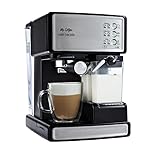
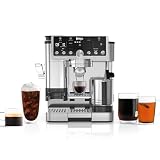
This listing describes a stainless steel, programmable espresso and cappuccino machine with an automatic milk frother and a 15-bar pump, which matches the Cafe Barista described above. It brings together single-or-double shot buttons, a removable milk reservoir, and an included tamper and scoop. Because the listing title is a general description rather than a model number, check the product page for the model name before ordering. It is the right choice for a buyer who wants automatic frothing and a straightforward interface without moving to a larger, more expensive machine.
Mr. Coffee One-Touch CoffeeHouse+ – the 19-bar sibling

The CoffeeHouse+ listing mentions a 19-bar Italian pump and a milk frother. Manufacturer information lists an 18 oz removable milk reservoir, and an independent review mentions a 51 mm portafilter, pressurized baskets, and support for ESE pods. Water tank size differs across sources, so confirm it on the listing. Its two-cup function is described as working for non-milk drinks only. Pick it over the Cafe Barista if pod compatibility and a larger milk reservoir matter more than the lower pressure number on the Cafe Barista’s box.
Mr. Coffee 4-Shot Steam Espresso, Cappuccino and Latte Maker – the simple, small option

This machine brews with steam instead of a pump. The listing mentions an extra-large portafilter for up to four shots, an integrated frothing wand, and a stainless steel frothing pitcher. Wattage differs among listings, so confirm it. Steam brewing generally yields a different, often harsher style of coffee than a pump machine, so it fits Cuban-style and moka-style preferences better than a café-style shot. It also gives you a wand to learn manual frothing. Choose it for simplicity and a small footprint, not for refinement.
Questions
Does the Mr. Coffee Cafe Barista grind beans?
No. It uses ground coffee only and has no bean container. A separate burr grinder will improve freshness and let you fine-tune the grind for the pressurized or standard basket you use.
Is the milk frother automatic?
Yes. The automatic frother handles milk for cappuccino and latte drinks, and the milk reservoir is removable so it can be stored in the refrigerator. Expect to run the machine’s cleaning cycle after milk drinks.
Does 15 bar mean it makes real espresso?
The 15-bar figure describes the pump capability. Café-style espresso extraction is generally aimed at about 9 bar at the coffee, and entry-level machines advertise higher pump figures to leave headroom. The machine makes strong, espresso-style coffee, but results vary with grind, dose, and basket type.
How is it different from the One-Touch CoffeeHouse+?
The CoffeeHouse+ listing mentions a 19-bar pump, an 18 oz milk reservoir, and reported ESE pod compatibility. Because model details vary by source, compare the tank size, milk capacity, and included filters on each listing.
What size cups fit?
One retailer lists a maximum cup height of about 5 inches, which fits most mugs but not tall travel tumblers. Confirm on the listing and measure your favorite cup before you buy.
How often does it need cleaning?
Rinse the milk system after each milk drink using the cleaning cycle, and wipe the frother and drip tray regularly. Descale on the schedule in the manual, more often if your water is hard.
Update History
- October 21, 2026 – Initial publication; specifications checked against manufacturer documentation where available.
- Check the product page for current specifications and availability before buying.
Sources
- Mr. Coffee manufacturer product pages and user manuals
- Independent espresso machine reviews and spec databases
- Retailer listing titles and specification fields
Write Your Review
No reviews yet. Be the first to share your experience!