

Key takeaways
- Descaling. Hard water leaves mineral deposits inside the heating element. Descale every one to three months with citric acid or a manufacturer-approved solution, and more often if your water is hard. A clogged machine brews slowly and cooler.
- Filters. Basket filters are cheap but less consistent. Reusable gold-tone filters pass more oils and fine particles. Paper filters produce a cleaner cup.
- Warranty. Warranties range from one year (Ninja) to five years (Moccamaster). A longer warranty is a reasonable proxy for build quality.
- Hot plates. Auto shut-off timers prevent safety problems and reduce burnt coffee.
- Carafe fragility. Glass carafes break. Check that a replacement is easily available before you buy.
The best 12 cup coffee maker for most households is the Ninja CE251 for its balance of price, hot brewing temperature and a removable 60-ounce reservoir, while the Breville Luxe Brewer Thermal is the pick for anyone who wants a true 12-cup machine with a thermal carafe and serious brew control. If coffee quality matters more than capacity, the Moccamaster KBGV Select is the benchmark, with the caveat that it brews 10 cups rather than 12. The right choice depends on how many people you serve, whether you want the coffee to stay hot for hours, and how much counter space you can spare.
A “12 cup” label can mislead. Coffee makers measure a cup as 5 ounces, not the 8 ounces of a standard mug, so a 60-ounce machine produces roughly six to seven mugs of coffee. That is still plenty for a family breakfast or a small gathering, and it explains why large-capacity machines remain popular even in an age of single-serve brewers. This guide compares seven real 12-cup-class machines by capacity, brewing performance, carafe type, features and ownership realities.
Our top picks


As an Amazon Associate we earn from qualifying purchases at no extra cost to you.
Quick Comparison of the Best 12 Cup Coffee Makers
| Pick | Best for | Capacity | Carafe | Standout feature | Price range |
|---|---|---|---|---|---|
| Ninja CE251 | Best overall value | 60 oz (12 cups) | Glass | Removable reservoir, Classic and Rich modes | Budget to mid-range |
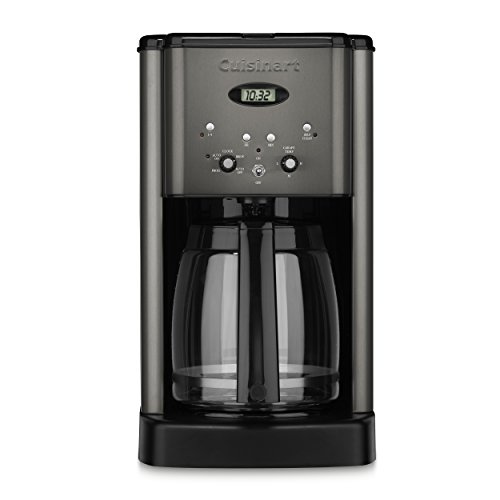
| Cuisinart DCC-1200 Brew Central | Best traditional budget pick | 60 oz (12 cups) | Glass | Brew Pause, charcoal filter, 3-year warranty | Budget |
| Breville Luxe Brewer Thermal (BDC465) | Best premium true 12-cup | 60 oz / 1.8 L | Thermal | Six brew modes, My Brew customization | Premium |
| Ninja DualBrew Pro (CFP301) | Best dual-purpose | 60 oz (12 cups) | Glass | Single-serve plus carafe, hot water system | Mid-range |
| Hamilton Beach FlexBrew (Trio and Advanced) | Best for mixed households | Up to 12 cups | Glass or thermal | Pods, grounds and carafe in one machine | Budget to mid-range |
| Moccamaster KBGV Select | Best coffee quality | 40 oz (10 cups) | Glass | SCA-certified brewing, 5-year warranty | Premium |
| Cuisinart PerfecTemp DCC-3200 | Best for bigger batches | 14 cups | Glass | Brew strength control, programmable | Mid-range |
Capacities and features come from manufacturer spec sheets and retailer listings in 2026. Prices move frequently, so the ranges above are tiers rather than exact numbers.
Best Overall Value: Ninja CE251 12-Cup Programmable Coffee Maker
The Ninja CE251 holds 60 ounces in a removable water reservoir, draws 1,100 watts and weighs about 7 pounds. It offers Classic and Rich brew modes, a small-batch setting for one to four cups, a 24-hour delay brew and an adjustable warming plate that keeps the glass carafe warm for up to four hours. Several 2026 roundups name it the best value drip machine, and one review notes that it produces hotter, more balanced coffee than most machines at its tier.
Who it suits: households that drink a pot every morning and want solid coffee without paying for premium features. The removable reservoir makes filling and cleaning easy, which matters more than any spec after a year of use.
Trade-offs: a glass carafe on a hot plate will slowly cook the coffee, so pour leftovers into a thermos if you will not finish the pot within an hour or two. The warranty is one year, shorter than some competitors.
Best Traditional Budget Pick: Cuisinart DCC-1200 Brew Central
The DCC-1200 is a long-running 12-cup design at 60 ounces and 1,025 watts, measuring roughly 9 inches wide, 7.75 inches deep and 14 inches tall. It includes a Brew Pause feature that lets you pour mid-cycle, a charcoal water filter, a programmable auto shut-off from zero to four hours, 24-hour programming and a one-to-four-cup setting. The heater plate has low, medium and high settings, and the machine carries a three-year limited warranty according to the manufacturer.
Who it suits: buyers who want a simple, familiar machine with a long warranty and compact footprint. It is easy to find replacement carafes and filters.
Trade-offs: Consumer Reports notes it lacks a removable reservoir and brew-strength control. Filling the tank means carrying the carafe to the tap, which some owners find irritating.
Best Premium True 12-Cup: Breville Luxe Brewer Thermal (BDC465)
The Breville Luxe Brewer Thermal is a true 12-cup machine at 1.8 liters (about 60 fluid ounces) with a dual-wall thermal carafe that keeps coffee above roughly 150 degrees Fahrenheit for up to four hours, per the manufacturer. It draws 1,650 watts and offers six brew modes: Gold Cup, Fast, Strong, Iced, Cold Brew and a customizable My Brew setting that lets you adjust bloom time, brew temperature and flow rate. The 60-ounce tank is fully removable and includes a built-in water filter, and delayed start works up to 24 hours ahead. Specification pages describe it as SCA-certified, and Breville backs it with a two-year warranty.
Who it suits: coffee enthusiasts who want control over extraction and who value a thermal carafe over a hot plate. The cold brew and iced modes also make it useful in summer.
Trade-offs: it is the most expensive machine on this list apart from the Moccamaster, at roughly 15 inches wide and 16 inches tall, and it weighs about 11 to 12 pounds. Measure your cabinet clearance first.
Best Dual-Purpose: Ninja DualBrew Pro (CFP301)
The Ninja CFP301 is a hybrid: it brews a 12-cup carafe of drip coffee from grounds, and it also brews single servings from grounds or pods through a separate dispenser. It has nine ground brew sizes, four pod sizes, four brew styles (Classic, Rich, Over Ice and Specialty), a removable multi-position 60-ounce reservoir, an independent hot water system with hot and boil settings, and a fold-away frother. It uses 1,550 watts, measures about 11.4 by 9.1 by 15.5 inches, and includes a glass carafe, paper filter kit and pod adapter. Consumer Reports names it its best dual coffee maker, and its testing found that it brews near the recommended 195 degrees Fahrenheit or higher.
Who it suits: households where one person wants a quick single cup and everyone else drinks from the pot. The hot water system is handy for tea, oatmeal or instant soup.
Trade-offs: more features mean more parts to clean, and the single-serve basket needs regular rinsing. The warranty is one year.
Best for Mixed Households: Hamilton Beach FlexBrew
The FlexBrew line has several variants. The FlexBrew Advanced 5-in-1 brews single-serve K-Cup style pods up to 10 ounces or grounds up to 14 ounces, plus a full 12-cup carafe, with a 60-ounce removable reservoir and a slim 7-inch width. The FlexBrew Trio offers pods, single-serve grounds or a 12-cup carafe in a 40-ounce reservoir design, and a thermal version, model 49920, pairs a 56-ounce reservoir with a 12-cup thermal carafe. Check the exact model number before buying because capacities and carafe types differ.
Who it suits: homes where one person likes pods and another prefers a full pot, and anyone who wants a compact footprint with multiple options.
Trade-offs: the many variants make shopping confusing, and the single-serve hardware adds cleaning tasks. Brew quality is acceptable, not exceptional, so do not expect it to match a Breville or Moccamaster.
Best Coffee Quality: Moccamaster KBGV Select
The Moccamaster KBGV Select is not a 12-cup machine; it brews 1.25 liters, or 40 ounces (10 five-ounce cups). It is included here because it sets the quality benchmark that 12-cup machines are measured against. A copper boiling element holds brew water between 196 and 205 degrees Fahrenheit, and the machine is certified by the Specialty Coffee Association to brew both a half carafe (about 20 ounces) and a full carafe to its Golden Cup Standard. A full carafe takes roughly four to six minutes. It uses 1,475 watts, weighs about 6 pounds, uses a number 4 cone paper filter, shuts off automatically after 100 minutes and carries a five-year warranty. There is no timer or programmable feature.
Who it suits: people who value taste above convenience and drink around a pot a day. Its simplicity and repairability make it a long-term purchase.
Trade-offs: it costs several times more than budget machines, holds fewer cups, and offers no programming. If you need 12 cups, look elsewhere.
Best for Bigger Batches: Cuisinart PerfecTemp DCC-3200
The PerfecTemp is a 14-cup model, which is useful when a 12-cup label tends to produce fewer mugs than you expect. It is programmable for 24 hours, includes a brew strength control and a one-to-four-cup setting, and keeps coffee warm on a heated plate with adjustable temperature. It is a mid-range alternative to the Ninja or the Cuisinart Brew Central.
Who it suits: larger families, brunch hosts and offices with a small team.
Trade-offs: a glass carafe, a hot plate and a larger footprint than its smaller siblings. Check the manufacturer sheet for the current model suffix because Cuisinart releases revisions regularly.
How to Choose a 12 Cup Coffee Maker
Use this decision matrix to match your situation to a model.
| Your situation | Choose | Why |
|---|---|---|
| Limited budget, one pot a day | Cuisinart DCC-1200 or Ninja CE251 | Reliable basics with timers |
| Coffee stays hot for hours | Breville Luxe Brewer Thermal | Thermal carafe, no hot plate |
| One person wants single cups | Ninja CFP301 or Hamilton Beach FlexBrew | Drip plus single-serve |
| Best taste, small household | Moccamaster KBGV Select | SCA-certified, long warranty |
| Frequent large gatherings | Cuisinart PerfecTemp DCC-3200 | 14 cups per batch |
| Small kitchen | Hamilton Beach FlexBrew Advanced | 7-inch width |
Glass Carafe Versus Thermal Carafe
A glass carafe sits on a hot plate that keeps the coffee near serving temperature but continues to cook it. After about 30 to 60 minutes, bitterness and a burnt note become noticeable. A thermal carafe is insulated, so coffee stays hot without a heat source, typically for four hours or more, per manufacturer claims such as Breville’s. The trade-offs are that a thermal carafe costs more, cannot be examined for fill level and takes longer to clean around the lid. If your household tends to finish a pot within an hour, a glass carafe is fine. If you drink coffee in staggered shifts, a thermal carafe saves the flavor.
What Capacity Really Means: A Worked Example
Coffee makers define one cup as 5 ounces. A 60-ounce reservoir therefore yields 12 cups, but only about 7.5 standard 8-ounce mugs. Brewing also loses some water to the grounds, usually around 10 percent depending on grind and coffee amount. For a household of four where each person drinks two 10-ounce mugs, you need 80 ounces, which is more than one batch. A 14-cup machine yields about 70 ounces, closer to what you need, while a standard 12-cup yields about 54 ounces of finished coffee after absorption. Plan your batch size around the mugs you actually pour.
A good starting ratio is about 2 tablespoons of ground coffee per 6 ounces of water, or roughly 1:16 by weight. For a full 60-ounce batch, that is about 110 grams of coffee. Smaller batches in a 12-cup machine often taste weaker because the water flows through a thin coffee bed unevenly. If you regularly brew less than half a carafe, a machine with a dedicated small-batch setting, such as the Ninja CE251, helps.
Brew Temperature and Time: Why Specifications Matter
The Specialty Coffee Association recommends brewing water between roughly 195 and 205 degrees Fahrenheit, with a total contact time of about four to eight minutes for a full batch. Many inexpensive drip machines fall short of that window, producing cooler water and a flatter, sour-tasting cup. This is why certifications and independent temperature checks matter more than wattage alone. A higher wattage heats water faster, but it does not guarantee that the water reaches the grounds at the right temperature or that it flows evenly across the whole coffee bed.
When comparing machines, look for three signals: an SCA certification or published brew temperature range, a showerhead that distributes water over the full surface of the grounds, and a brew time in the four to eight minute range for a full carafe. A very fast brew, under three minutes, can under-extract unless the machine compensates with higher flow control, which is what the Breville Luxe Brewer’s My Brew setting is designed to adjust.
A Simple Weekly Cleaning Routine
- After each pot, discard the grounds and rinse the basket and carafe with warm water and a drop of dish soap.
- Once a week, wash the removable reservoir, lid and filter basket in warm soapy water and let them air dry completely, which prevents mildew in the tank.
- Wipe the showerhead area with a damp cloth to remove coffee oils and splatter.
- Monthly, run a descaling cycle with citric acid or the manufacturer’s recommended solution, followed by two full cycles of plain water.
- If you use a charcoal water filter, such as the one in the Cuisinart Brew Central, replace it every two months or as directed.
Consistent cleaning does more than keep the machine tidy. Coffee oils turn rancid over time and leave a stale taste that no amount of premium beans can mask. Mineral scale also forces the heating element to work harder, which shortens the life of the machine and lengthens brew times.
Ownership Realities
- Descaling. Hard water leaves mineral deposits inside the heating element. Descale every one to three months with citric acid or a manufacturer-approved solution, and more often if your water is hard. A clogged machine brews slowly and cooler.
- Filters. Basket filters are cheap but less consistent. Reusable gold-tone filters pass more oils and fine particles. Paper filters produce a cleaner cup.
- Warranty. Warranties range from one year (Ninja) to five years (Moccamaster). A longer warranty is a reasonable proxy for build quality.
- Hot plates. Auto shut-off timers prevent safety problems and reduce burnt coffee.
- Carafe fragility. Glass carafes break. Check that a replacement is easily available before you buy.
Frequently Asked Questions
How many cups of coffee does a 12 cup coffee maker really make?
Manufacturers count a cup as 5 ounces, so a 60-ounce reservoir makes 12 cups. That works out to about 7.5 standard 8-ounce mugs, and slightly fewer after the grounds absorb some water. For four people drinking large mugs, plan on one full batch plus a partial second one.
Is the Moccamaster worth the price?
If taste is your priority and you can live with 10 cups, yes. It heats water to the SCA-recommended range, brews a full carafe in about six minutes and carries a five-year warranty. If you want a timer or a 12-cup capacity, a Breville or Ninja suits you better.
Should I buy a glass or thermal carafe?
Choose thermal if the coffee will sit for more than an hour. Choose glass if your household finishes the pot quickly and you want to see the fill level. Thermal carafes avoid the burnt flavor that comes from a hot plate.
How often should I descale my coffee maker?
Every one to three months for most households, and more often with hard water. Signs that it is time include slower brewing, louder gurgling and lukewarm coffee. Follow the manufacturer’s instructions and rinse thoroughly afterward.
Can a 12 cup coffee maker brew a single cup?
Some can. The Ninja CE251 and Cuisinart DCC-1200 have small-batch settings for one to four cups, though the flavor is better at higher volumes. For true single servings, the Ninja DualBrew Pro or Hamilton Beach FlexBrew include a dedicated single-serve brewing path.
What coffee grind should I use?
Use a medium grind, similar to coarse sand, for flat-bottom basket filters and a slightly finer medium for cone filters. A grind that is too fine slows the flow and turns bitter, while a grind that is too coarse produces weak, sour coffee. Grinding fresh beans just before brewing makes the largest difference to flavor.





Write Your Review
No reviews yet. Be the first to share your experience!