

Key takeaways
- Compare six office coffee makers with a water line, from plumbed NUPANT brewers to the Keurig K155, with specs, fit notes and what to check first.
For most offices that want a pot of coffee without anyone carrying water, the NUPANT 12-cup commercial brewer with a water line and two glass carafes is the best all-round pick on this list. A water-line machine, sometimes called a plumbed or auto-fill brewer, connects to a cold supply so the tank refills itself, which removes the daily jug run. The Keurig K155 Office Pro suits groups that want single cups from pods, while the NUPANT airpot model suits meeting rooms that need coffee to stay hot without a warming plate. One caution up front: not every machine here ships ready to plumb, and the notes below say which ones need an accessory or a listing check.
Quick List
- Keurig K155 Office Pro – best for small teams that want pod-based single cups and a recognized commercial brand
- VEVOR 12-Cup Commercial Drip – best for shops and break rooms that want a simple stainless drip brewer, with the plumbing question checked first
- NUPANT 12-Cup, Water Line Filter, 3 Warmers – best for busy offices that pour in waves and want several pots staged at once
- NUPANT 12-Cup, Water Line Filter, Hot Water Dispenser – best for sites that also want hot water for tea and instant drinks
- NUPANT 12-Cup, 1.8L, 2 Carafes – best overall for a mid-size office that wants auto-fill with a compact two-pot setup
- NUPANT 14-Cup Airpot Brewer – best for meeting rooms and events where coffee must stay hot for hours without a hot plate
Which One Is Right for You?
| If you… | Choose |
|---|---|
| Run a mid-size office and want a plumbed machine with two pots | NUPANT 12-Cup, 1.8L, 2 Carafes |
| Serve a team that wants a different pod flavor each time | Keurig K155 Office Pro |
| Need coffee to stay hot in a conference room for hours | NUPANT 14-Cup Airpot |
| Want to stage three pots for a rush or a meeting | NUPANT 12-Cup, 3 Warmers |
| Also want a hot water tap for tea, cocoa, or instant oatmeal | NUPANT 12-Cup with Hot Water Dispenser |
| Prefer a plain stainless brewer and are willing to verify the water inlet | VEVOR 12-Cup Commercial Drip |
Start with how people drink coffee in your space. A steady stream of one-cup users points to the pod brewer, while a few big pours at set times point to a pot-based machine. Then confirm the plumbing path, because that decides whether the install is a ten-minute job or a call to a plumber.
All 6 Picks in Detail
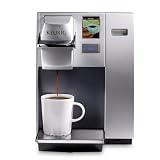
1. Keurig K155 Office Pro – Best for Pod-Based Single Cups
As an Amazon Associate we earn from qualifying purchases at no extra cost to you.

The K155 is Keurig’s office-grade pod brewer, aimed at small and medium workplaces that want fast single cups with little training. It is the one machine here that is not a pot brewer, so it fits break rooms where preferences vary widely. Its water supply is the point to understand: the standard K155 runs from a removable reservoir, and Keurig sells a direct water line plumb kit separately. Treat it as plumb-ready only once that accessory is in the box.
- Brew sizes: 4, 6, 8, and 10 oz, per manufacturer information
- Reservoir: removable, roughly 90 oz according to retailer and manufacturer pages
- Power: 120 V, about 1400 W
- Interface: color touchscreen with programmable on and off
- Plumbing: direct water line kit sold separately, so confirm on the listing
Think about the daily rhythm before choosing it. Pod brewers shine when ten people want ten different drinks, including decaf and tea pods, because nobody waits for a pot to finish. They struggle when a whole department descends at once, since each cup is a separate brew. The unit also asks for routine care: descale on schedule and keep the needle and pod holder clean, which the manual covers.
Pros:
- Single cups in under a minute, with no carafe to wash
- Commercial design with an energy-saving mode
Cons:
- Pod cost per cup is higher than batch brewing for large groups
- The plumbing accessory is a separate purchase
Compared with the NUPANT two-carafe machine, it wins on flexibility and loses on volume for meetings.
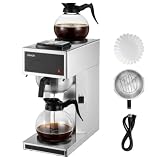
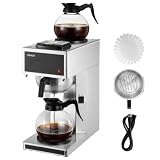
2. VEVOR Commercial Drip Coffee Maker – Best for a Simple Stainless Brew Station

This is a 12-cup commercial drip machine in stainless steel, described by the seller as suited to restaurants, offices, and homes. The listing name as shown does not state a water line or auto-fill feature, so it sits here as a runner-up. If it is on your shortlist, open the full product page and look for an inlet port, the fitting type, and wording about direct supply before ordering. A manual-fill version is still a fine choice when your site has no plumbing within reach, as long as you accept carrying water.
- Capacity: 12 cups per the title
- Construction: stainless steel exterior
- Style: pour-over drip brewing
- Water line support: not stated in the listing name, so confirm on the listing
- Power rating: confirm on the manufacturer page
If you land on this brewer, treat the plumbing check as step one. Look at the rear panel photos, the manual download, and the questions section of the product page for any mention of a supply inlet. Without one, the machine behaves like any other manual-fill commercial drip brewer, which still suits a bakery counter or a small shop. Pair it with a pitcher kept by the sink and a habit of filling after every pot.
Pros:
- Straightforward design with few parts to fail
- Stainless exterior suits a busy counter
Cons:
- Plumbing capability is unconfirmed from the title
- Fewer extras than the NUPANT models
Next to the NUPANT 1.8L two-carafe unit, it is the plainer choice, and the NUPANT lists its water line openly.
3. NUPANT 12-Cup Commercial Coffee Maker (3 Warmers) – Best for Busy Pour Times

This NUPANT model targets offices that brew several pots in a row. The listing title mentions a water line filter, auto-fill, a hot water dispenser, and three warmers, which implies three carafes sit ready at once. That setup works for a lobby or a staff room where a rush hits after a meeting. The trade-off is footprint and power draw: a unit with this many heating elements needs a proper outlet. Check the rated wattage on the listing, because NUPANT lists different wattages across its lineup.
- Capacity: 12 cups per brew, per the title
- Warmers: three, per the title
- Water: line connection with a filter and auto-fill
- Extras: hot water dispenser, LCD display with temperature and cup control
- Material: stainless steel body
Because this class of machine is heavy and wide, measure the counter and the overhead clearance before you order, and leave space behind it for the supply hose. A three-pot setup also needs a plan for who empties and rinses the carafes at the end of the day. In a shared office, assign that job, or the warmers end up holding burnt coffee for hours.
Pros:
- Multiple pots staged at once for peak periods
- Auto-fill removes manual refilling
Cons:
- Large footprint and a heavy electrical load
- Overkill for a team of under ten
It is the bigger sibling of the two-carafe NUPANT, so choose it only if you truly need the third pot.
4. NUPANT 12-Cup Commercial Drip (Hot Water Dispenser) – Best for Coffee and Hot Water

This version has almost the same name as the previous one and shares the water line filter, auto-fill, stainless steel body, and three-warmer layout in its title. Its selling point for office use is the built-in hot water tap, which keeps the kettle off the counter and serves tea drinkers from the same machine. Because the two NUPANT listings read so similarly, compare the images, wattage, and carafe count on each page and pick the one that matches your space. One retailer page quotes roughly 1,690 W for this model, but confirm on the listing.
- Capacity: 12 cups, per the title
- Warmers: three, per the title
- Water: line connection with filter and auto-fill
- Extras: hot water dispenser, LCD screen
- Power: confirm on the listing
The hot water outlet is the feature to weigh. It saves a trip to the kitchen for tea, but it is another valve and nozzle to descale and wipe down, and anyone using it should know the water comes out very hot. Place the machine where the spout is easy to reach and cups cannot be knocked off a narrow ledge.
Pros:
- One machine for coffee and hot water
- Filtered auto-fill supply
Cons:
- Near-duplicate listing names invite order mistakes
- Heavy electrical draw
Between the two three-warmer NUPANT listings, decide by the features on the page, because the titles are almost identical.
5. NUPANT 12-Cup Commercial Coffee Maker (1.8L, 2 Carafes) – Best Overall for Mid-Size Offices

This is the cleanest match for the keyword. The title states a water line, 1.8L auto-filling brewing, two glass carafes, and two warmers, in a stainless steel frame. Two pots cover most teams of 10 to 25 people, with one brewing while the other serves. A retailer page for this model mentions a plumbed supply with automatic and manual filling, which is useful when the water shuts off for building work. Wattage is quoted around 1,610 W by one source, so give it a circuit that is not shared with a microwave.
- Capacity: 12 cups, 1.8L per pot, per the title
- Carafes: two glass pots
- Warmers: two
- Water: line connection with auto-fill, and manual fill as a fallback per the retailer page
- Body: stainless steel
This machine is also easier to place than the three-warmer models, since the footprint is smaller and the two pots are simple to swap. For a reception area with a sink within a few feet, the plumbing run is short, which keeps installation tidy. Keep a spare carafe on hand, because glass is the part most likely to break over a year of daily rinsing.
Pros:
- Auto-fill with a manual backup
- Two pots without the footprint of three
Cons:
- Glass carafes can break in a busy kitchen
- Needs a nearby water source and outlet
Compared with the airpot model, it keeps coffee hot on warmers rather than in a vacuum vessel, which affects taste after an hour.
6. NUPANT 14-Cup Airpot Coffee Brewer – Best for Meeting Rooms and Events

An airpot brewer pumps coffee into an insulated pot with a push-button pump, so there is no hot plate to scorch the coffee. This NUPANT model brews 14 cups into a 74 oz thermal carafe that the title says holds heat for 24 hours, and it includes auto-fill, a hot water dispenser, and a stainless steel frame. It is ideal when one pot has to serve a conference table for a long morning. Hold-time claims depend on the starting temperature and room, so treat the 24-hour figure as a ceiling, not a promise.
- Capacity: 14 cups per the title
- Carafe: 74 oz thermal airpot per the title
- Water: auto-fill with water line support
- Extras: hot water dispenser
- Body: stainless steel
Use fresh, correctly sized batches, because an airpot holds a large volume and the last cups can taste flat if the pot sits half full for hours. Rinse the pump and spout daily, since milk-based drinks or old coffee oils collect there. If you also need a quick refill during a long meeting, the hot water dispenser makes tea available from the same unit.
Pros:
- Coffee stays hot with no warming plate
- Easy pump dispensing for a crowd
Cons:
- One big pot means a stale pot if demand is low
- Pump pots need a thorough clean
It is the opposite of the three-warmer models: one large insulated pot instead of several pots on heat.
Specs Compared
| Model | Type | Capacity | Water line | Holding method | Extras |
|---|---|---|---|---|---|
| Keurig K155 Office Pro | Pod single cup | 4, 6, 8, 10 oz cups | Plumb kit sold separately; confirm on listing | None (brews to the cup) | Touchscreen, 90 oz reservoir per retailers |
| VEVOR Commercial Drip | Drip pot | 12 cups | Not stated; confirm on listing | Confirm on listing | Stainless body |
| NUPANT 12-Cup, 3 Warmers | Drip, multi-pot | 12 cups | Yes, with filter and auto-fill | Three warmers | Hot water dispenser, LCD |
| NUPANT 12-Cup, Hot Water Dispenser | Drip, multi-pot | 12 cups | Yes, with filter and auto-fill | Three warmers | Hot water dispenser, LCD |
| NUPANT 12-Cup, 1.8L, 2 Carafes | Drip, two-pot | 12 cups (1.8L) | Yes, auto-fill | Two warmers | Two glass carafes |
| NUPANT 14-Cup Airpot | Drip to airpot | 14 cups, 74 oz | Yes, auto-fill | Thermal airpot | Hot water dispenser |
How We Chose These
We compared the six listed machines on facts that decide the plumbed-office question: whether the listing names a water line, how many people one brew cycle serves, how the coffee is held after brewing, and what extras change daily use. Specifications come from listing titles and manufacturer or retailer product pages, with a note wherever sources disagreed. Where a wattage or fitting size varied between pages, we told you to confirm it rather than pick a number. No machine is rated on taste here, because that depends on your beans and water.
What to Look For
Real Plumb-In Versus “Plumb-Ready”
A true water-line brewer has a built-in inlet and a fill valve, so the tank tops itself up from a cold-water supply. A plumb-ready machine, like a pod brewer that needs a separate kit, still runs from a tank until you fit the accessory. Read the listing for words such as “direct water line” or “auto-fill” and look at the photos for an inlet fitting at the back. Ask for the fitting thread and tubing size too, because suppliers describe hoses in different ways. If the page is silent, confirm on the manufacturer page or the manual before buying.
Match Capacity to Headcount
A practical rule is to count how many cups a typical morning needs, then plan for the biggest single rush, not the average. A 12-cup pot at a 6 oz cup definition gives about 12 small servings, while mugs of 12 oz would empty it faster; the cup marks on commercial brewers usually reflect small cups, so confirm on the manufacturer page. For example, 20 people each taking one 12 oz mug during a 20-minute window need roughly 240 oz. A single 1.8L pot holds about 61 oz, so you would need four pots, which is why two carafes with a quick brew cycle matter. Pod machines solve peaks differently: they do not queue behind a pot, but each person waits about a minute for a cup.
Warmers, Airpots, and Holding Quality
Coffee held on a warming plate keeps getting heat, and flavor drops as it sits, so most guides recommend serving within about half an hour to an hour. An insulated airpot avoids that, because the vessel keeps heat without a heating element. If your meetings run long, an airpot makes sense. If people drift in and out all day, two glass carafes that you swap are easier to clean and cheaper to replace.
Electrical Load and Placement
Many plumbed machines draw around 1,400 to 1,700 W. At 120 V, 1,600 W is about 13 amps, which is close to the limit of a standard 15-amp circuit, so avoid plugging a second heater into the same circuit. Use the outlet type the manufacturer specifies and keep the cord clear of the sink and water line. Install the supply line with a shutoff valve, a filter appropriate for coffee, and tubing rated for potable water, and have the plumber check local code. Do not run the machine dry, and keep it off a surface that heat can mark.
Filtration and Maintenance
A water filter on the supply line reduces chlorine taste and scale. Replace it on the schedule in the manual, and descale on a regular cycle if your water is hard. Auto-fill brewers keep refilling, so a loose hose or a stuck valve can overflow; a drip tray and a visible shutoff are cheap insurance.
Questions
Do I need a plumber to install a coffee maker with a water line?
Not always, but it is wise. If the machine uses a standard supply hose and you have a cold-water shutoff nearby, a handy person can connect it, while tapping into a new line should be done by a licensed plumber. Follow the manual and local code.
Can a regular pod brewer be plumbed in?
Some commercial pod brewers accept an optional direct water line kit, as the Keurig K155 does through a separate accessory. Standard home brewers generally do not. Confirm on the manufacturer page for your exact model.
How many people can one 12-cup brewer serve?
It depends on the cup size. At small commercial cup sizes, a pot covers a handful of people, while in 12 oz mugs it covers far fewer. Plan on two carafes or an airpot for groups over about ten.
Is a hot water dispenser worth having?
If your office has tea drinkers, yes, because it removes a kettle from the counter. It does add to the machine’s heating load and cleaning list, so skip it if you only serve coffee.
Do water line brewers need a filter?
Not required, but advisable. A filter on the supply improves taste and slows scale buildup, and several of these listings include a filter in the name. Follow the replacement schedule in the manual.
What if the water supply is turned off?
Machines with a manual-fill mode, as one NUPANT listing describes, can keep running from a pitcher. Others rely on the supply, so know where the shutoff is.
Update History
- October 21, 2026 – Initial publication; product set drawn from current catalog listings.
- Check the product page for current specifications and availability before buying.
Sources
- Manufacturer product and specification pages, including Keurig commercial brewer information
- Retailer listing titles and specification fields for each model
- Seller product descriptions for NUPANT and VEVOR commercial brewers
Write Your Review
No reviews yet. Be the first to share your experience!