

Key takeaways
- Low retention. Retention is the weight of grounds left in the burr chamber and chute after you finish grinding. If a grinder holds back two grams of a 18-gram dose, then 11 percent of your next shot is old coffee. Good single dose grinders keep retention below half a gram.
- A bean funnel instead of a hopper. A small, often removable funnel receives each dose. A bellows or air puff on some grinders blows out remaining grounds.
- Easy cleaning. Quick-access burrs make it practical to clean the grinder often.
The best single dose coffee grinder for most home espresso setups in 2026 is the DF64 Gen 2 if you want flat-burr clarity and low retention for the least outlay, and the Niche Zero if you want the simplest workflow and a heavier, chocolate-forward cup. The Timemore Sculptor 064S and Eureka Mignon Zero are the design-led and quiet alternatives, the Baratza Encore ESP is the entry-level choice, and the Fellow Ode Gen 2 is the pick if you brew filter coffee rather than espresso.
A single dose grinder is built for the habit of weighing out exactly the beans for one drink, grinding them, and leaving the hopper empty. It replaces the large hopper of a traditional grinder with a small funnel, and the design aims to leave almost no coffee behind in the grind path. That matters because stale grounds trapped inside the machine mix into your next dose and soften flavor. This guide compares six real grinders, explains the numbers that decide which to buy, and walks through setup, retention and maintenance.
Our top picks


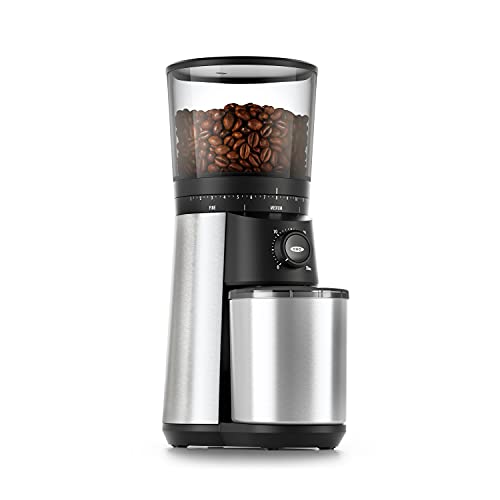
As an Amazon Associate we earn from qualifying purchases at no extra cost to you.
Quick comparison of the picks
| Pick | Best for | Burr type and size | Adjustment | Retention | Standout feature | Price tier |
|---|---|---|---|---|---|---|
| DF64 Gen 2 | Best value flat burr | Flat, 64 mm | Stepless | Low | Clear, bright espresso from a large flat burr set | Mid-range |
| Niche Zero | Best workflow | Conical, 63 mm | Stepless | Near zero | Simple, consistent, syrupy cups | Premium |
| Timemore Sculptor 064S | Best design | Flat, 64 mm | Stepless, front dial | Low | Compact, quiet, tidy front adjustment | Mid to premium |
| Eureka Mignon Zero | Best quiet single dose | Flat, Eureka burrs | Stepless | Low | Italian build, quiet motor | Mid to premium |
| Baratza Encore ESP | Best entry level | Conical steel | Stepped | Moderate (2 to 3 g) | Easy to repair, strong parts support | Budget |
| Fellow Ode Gen 2 | Best for filter coffee | Flat, 64 mm | Stepped | Low | Designed for brew grind sizes, with a clean workflow | Mid-range |
The Encore ESP is not a pure single dose design, though it adapts well to weighed-dose use. The Ode Gen 2 is built for filter grinds and is not recommended as an espresso grinder.
What “single dose” actually means
A single dose grinder expects you to weigh your beans, drop them in, grind and finish with an empty chamber. Three design features make that practical:
- Low retention. Retention is the weight of grounds left in the burr chamber and chute after you finish grinding. If a grinder holds back two grams of a 18-gram dose, then 11 percent of your next shot is old coffee. Good single dose grinders keep retention below half a gram.
- A bean funnel instead of a hopper. A small, often removable funnel receives each dose. A bellows or air puff on some grinders blows out remaining grounds.
- Easy cleaning. Quick-access burrs make it practical to clean the grinder often.
The benefit is flexibility. You can switch between a light roast for espresso and a decaf for the evening in the same session without contaminating the cup, which is hard with a hopper-fed grinder that is packed with a single bean.
Best value flat burr: DF64 Gen 2
The DF64 Gen 2 is the most common value pick in 2026 roundups. It uses 64 mm flat burrs, offers stepless adjustment and keeps retention low when used with a bellows or a light tap. Flat burrs tend to produce a cup with high clarity and defined acidity, so light and medium roasts come across crisp and sweet. One roundup scored it the highest of its five grinders and called it the best option for people moving up from a hopper-fed grinder.
The trade-off is that it rewards a little tinkering. Out of the box, it responds to the same dose routine each time, but some owners add a bellows, an anti-static spray, or aftermarket burrs. The machine is loud compared with quieter designs, and the build is functional rather than refined.
Who it suits: enthusiasts who like clear, bright espresso and are comfortable with a few mods.
Pros: large flat burrs, stepless adjustment, strong value, active community and aftermarket parts.
Cons: louder than competitors, retention can vary without a bellows, finish quality is less polished.
Best workflow: Niche Zero
The Niche Zero is the benchmark for simple single dose grinding. It uses 63 mm conical burrs, a stepless adjustment collar and a design with near-zero retention. Conical burrs usually deliver a rounder, heavier cup with chocolate and caramel notes, which suits traditional espresso and milk drinks.
The grinder’s appeal is that it asks very little of you: weigh, pour, grind, done. You can use it for espresso, moka pot, or filter coffee because the adjustment range is wide. The result is predictable grind quality from one dose to the next.
Who it suits: people who want a trouble-free grinder for espresso and alternates, and prefer a classic, syrupy profile.
Pros: near-zero retention, simple routine, wide range for different brew methods, reliable.
Cons: premium tier cost, slower than large flat-burr grinders, and some people prefer the clarity of flat burrs.
Best design: Timemore Sculptor 064S
The Sculptor 064S pairs 64 mm flat burrs with a compact body and a front-mounted dial that adjusts the grind without reaching around the machine. It is among the quieter designs in the group and sits neatly on a small counter. Its main advantage is the stepless adjustment and big flat burr in a compact format.
Reviews are lukewarm on value: one reviewer scored it the lowest of five picks, saying the price is hard to justify as a first espresso setup. The grinder suits someone who values how a tool looks and feels on the counter along with how it performs.
Who it suits: design-conscious buyers, small kitchens, and those who dislike noise.
Pros: compact, tidy adjustment, 64 mm flat burrs, quieter operation.
Cons: mid-to-premium price for what you get, fewer aftermarket parts than the DF64.
Best quiet single dose: Eureka Mignon Zero
Eureka is an Italian maker known for quiet, well-built grinders, and the Mignon Zero brings that approach to a single dose format. One review named it the best single dose espresso grinder of its year, though that article is not recent and coverage elsewhere is thinner, so check current specifications and availability before buying. The related Mignon Specialita is a hopper-fed grinder with timed dosing and is praised as a quiet daily driver for milk drinks, which is a different workflow.
Who it suits: households that grind early in the morning, apartments and buyers who value a quiet motor.
Pros: quiet operation, Italian build, stepless adjustment, low retention.
Cons: fewer independent comparisons, mid-to-premium price tier, and you should confirm the exact model details with the maker.
Best entry level: Baratza Encore ESP
The Encore ESP is the budget pick. It uses conical steel burrs, offers a wide range that includes an espresso setting, and is known for being repairable, with parts and support from Baratza. It is not a true single dose design, and retention is higher, around two to three grams in one comparison, but it works well with weighed doses if you accept the small carryover.
The downsides are noise, a slower grind, and stepped adjustment that is less fine than the stepless alternatives. For a first espresso setup or a mixed household that brews both filter and espresso, it is a practical place to start.
Who it suits: beginners, tight budgets, and anyone who wants a grinder that can be repaired for years.
Pros: low cost, repairable, good parts support, covers espresso through French press.
Cons: higher retention, stepped adjustment, noisy.
Best for filter coffee: Fellow Ode Gen 2
The Ode Gen 2 is a flat-burr grinder with 64 mm burrs designed for brewing methods such as pour-over, drip and French press. It has a clean workflow with a single dose funnel and low retention, and it grinds quietly relative to its size. It is not meant for espresso, since its range is tuned toward coarser settings.
Who it suits: people who brew filter coffee and want a modern single dose workflow.
Pros: low retention, tidy design, good for filter brewing.
Cons: not suited to espresso, stepped adjustment.
Decision matrix by situation
| Your situation | Choose | Why |
|---|---|---|
| You drink bright, light-roast espresso | DF64 Gen 2 | Flat burrs favor clarity |
| You drink medium or dark roast with milk | Niche Zero | Conical burrs give a round, chocolate-forward cup |
| You live in an apartment and grind early | Eureka Mignon Zero or Sculptor 064S | Lower noise |
| You are on a tight budget | Baratza Encore ESP | Lowest cost, repairable |
| You brew only filter coffee | Fellow Ode Gen 2 | Designed for brew grind sizes |
| You switch between beans and decaf daily | Niche Zero or DF64 Gen 2 | Low retention avoids cross-contamination |
The numbers that matter
Burr size
Larger burrs, such as 63 or 64 mm, grind faster at the same motor speed and tend to produce less heat, which preserves aroma. Burr size alone does not guarantee a better cup, but it correlates with speed and consistency.
Retention: a worked example
Suppose you grind an 18-gram dose and the grinder retains 1.5 grams. That is 8.3 percent of your dose that ends up in the next cup instead of this one. If you grind once daily, those 1.5 grams of old coffee sit in the chute for a full day, going stale. With a retention of 0.1 gram, the effect is under 1 percent. To measure it yourself, grind a dose, weigh the output, subtract it from the input and note the difference. Repeat three times for a stable number.
Grind time and heat
An 18-gram dose in a 64 mm flat burr grinder takes about 5 to 10 seconds depending on the setting. Slower grinders take 20 to 30 seconds. Shorter grind times keep the beans cooler and are more convenient for daily routines.
Adjustment resolution
Espresso is sensitive to small changes in grind size. Stepless adjustment lets you make tiny changes between settings. Stepped grinders have fixed positions, which makes recording and repeating settings easy but can force you to adjust the dose to fine-tune.
Setting up a single dose routine
- Weigh the beans. Use a scale that reads to 0.1 gram. For a double shot, 18 grams is a common start.
- Add a mist of water if static is a problem. A single spritz on the beans, often called the Ross droplet technique, reduces static and retained grounds. Use a tiny amount only.
- Grind and tap. Tap the chute lightly and use a bellows or puff of air if your grinder has one to clear leftover grounds.
- Weigh the output. If it differs from the input by more than 0.3 grams, check for retention or static.
- Record your settings. Write the dial position and the roast date for each bag. It saves time when you return to a favorite coffee.
Durability and ownership realities
- Burrs wear gradually. Steel burrs often last several years of home use, and when they dull, shots run faster and taste muted. Replacement burrs are available for most models.
- Static and retention change with weather. Dry winter air increases static, and you may need to adjust technique seasonally.
- Oils build up. Coffee oils accumulate on burrs and in chutes. Without cleaning, flavors turn rancid.
- Motor noise and heat. Cheaper grinders can be loud and run hot on long sessions. Short grinding intervals are fine.
- Parts support. Brands with established support, such as Baratza, make long-term ownership easier.
Cleaning and maintenance
- Weekly: brush the chute and the funnel, and wipe the exterior.
- Monthly: open the grinder, remove the upper burr if the design allows, brush the burrs and chamber, and check for packed grounds.
- Every few months: run grinder cleaning tablets or a small amount of rice only if the manufacturer approves, since some makers advise against both.
- Every 1 to 3 years: inspect the burrs for rounding. If your grind time lengthens or shots taste flat despite adjustment, consider replacement.
- Re-calibrate after cleaning. Some grinders need the zero point reset after the burrs are removed.
Common mistakes with single dose grinders
- Treating it as a hopper grinder. Do not leave beans in the funnel. Beans sitting in an open funnel go stale and absorb odors.
- Skipping the scale. Without weighing both input and output, you cannot see retention or changes in your routine.
- Buying a filter grinder for espresso. Grinders designed for brew grinds usually cannot reach fine espresso settings.
- Chasing burr size. Technique and fresh beans matter as much as hardware.
- Ignoring noise. If you grind early in the morning, the sound level should be part of the choice.
Matching a grinder to your coffee habits
Think about how many different coffees you open in a month. If you rotate through three or four bags, including a decaf, single dose design pays off immediately, because every switch starts with an empty chamber. If you finish one big bag every two weeks and drink the same medium roast each day, a hopper-fed grinder is simpler and the retention penalty is smaller, since the old grounds are the same coffee as the new ones.
It also helps to think in grams per week. A household making two double shots a day uses about 36 grams daily, or roughly 250 grams per week, so a 250-gram bag lasts a week. A single drinker making one shot at 18 grams a day takes nearly two weeks to finish the same bag. The slower your consumption, the more important it is to keep beans sealed in their bag or an airtight container rather than in a funnel or hopper, and to weigh out only what you need for each drink. Buying smaller bags more often, rather than one large bag, protects flavor more than any grinder upgrade can.
Finally, consider the machine on the other end. A grinder with fine stepless adjustment pairs best with a machine that has stable temperature and pressure, because small grind changes then show up clearly in the cup. With an entry-level pressurized-basket machine, a stepped grinder like the Encore ESP is already more precise than the machine can use.
Frequently Asked Questions
What is the best single dose grinder for espresso?
For most people it is the DF64 Gen 2 for value and clarity, or the Niche Zero for simplicity and a rounder cup. The right choice depends on whether you prefer bright, light-roast espresso or a heavier, chocolatey profile. Both are strong options.
Are flat burrs better than conical burrs?
Neither is universally better. Flat burrs usually give higher clarity and defined acidity, while conical burrs often give a rounder body and sweetness. Pick the one that matches the flavor you like.
Is a single dose grinder worth it for filter coffee?
Yes, if you switch beans often or brew small amounts. Low retention keeps each cup true to the beans you chose. The Fellow Ode Gen 2 is designed for this use, though it will not grind fine enough for espresso.
How much retention is acceptable?
Under half a gram is excellent for espresso, and under one gram is fine for most users. Retention above two grams starts to affect consistency, especially if you change beans often. You can reduce retention with a bellows or a light tap on the chute.
Do I need a bellows or a blow-out tool?
It is not required, but it helps on grinders with some retention. A bellows pushes air through the chamber and clears leftover grounds. If your grinder already has near-zero retention, it adds little.
Can the Baratza Encore ESP be used as a single dose grinder?
It can, with a weighed dose, but it holds more coffee in the chute and burr chamber than purpose-built designs. If you accept about two to three grams of carryover, it works well at a lower cost.


Write Your Review
No reviews yet. Be the first to share your experience!